


What's Happening?
Vladimir Putin's envoy, Kirill Dmitriev, stated that the United States is beginning to understand the significance of Russian oil following a meeting with U.S. negotiators regarding the Ukraine invasion. The discussions, held in Florida, focused on potential
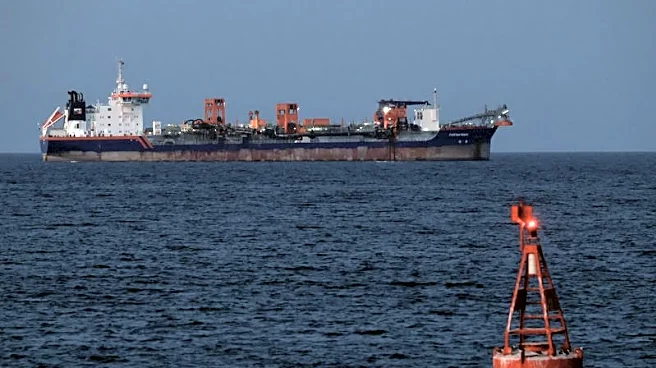
projects to restore Russian-American relations and address the global energy crisis. The U.S. has issued a 30-day license for countries to purchase Russian oil stranded at sea, aiming to stabilize energy markets affected by the Iran war. This decision follows the lifting of some sanctions on Russian oil, which has been criticized for potentially funding Russia's war efforts. President Trump mentioned that Putin expressed a desire to be helpful concerning the Middle East conflict.
Why It's Important?
The U.S. decision to allow the purchase of Russian oil is significant as it reflects the complexities of global energy dependencies and geopolitical tensions. By easing sanctions, the U.S. aims to stabilize energy markets, which have been disrupted by conflicts involving Iran and Russia. This move could impact U.S. relations with allies who oppose Russian aggression, as well as domestic political dynamics, given the criticism of potentially supporting Russia's war efforts. The situation underscores the delicate balance between energy needs and ethical considerations in international policy.
What's Next?
The ongoing discussions between Russian and U.S. negotiators may lead to further adjustments in energy policies and sanctions. The U.S. might face pressure from allies and domestic stakeholders to reconsider its approach to Russian oil. Additionally, the geopolitical landscape could shift as countries navigate the implications of energy dependencies amid conflicts. Monitoring the outcomes of these negotiations will be crucial for understanding future energy market dynamics and international relations.