




What's Happening?
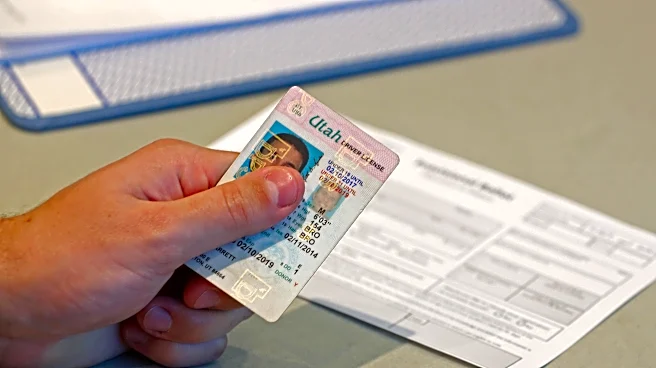
Utah Governor Spencer Cox announced a new consortium of states, including Colorado, Delaware, Massachusetts, Oklahoma, and Wyoming, collaborating to develop a state-endorsed digital identity (SEDI) model. This initiative aims to allow residents to digitize
their identifying information while ensuring robust privacy protections. The goal is to streamline access to government services and personal accounts, preventing unauthorized access. Utah plans to replace its existing mobile driver’s license program with SEDI in January. Governor Cox emphasized that SEDI is intended to become critical digital public infrastructure, fostering mutual verifiable trust in digital interactions. The program also seeks to address concerns about how information shared for one purpose has often been used for another, with Utah's digital ID laws specifically prohibiting government tracking of when and where individuals use their digital ID. The American Civil Liberties Union has commended Utah for its serious approach to privacy in this endeavor.
Why It's Important?
This multi-state effort is significant as it addresses the growing need for secure and private digital identification in an increasingly digital world. By developing a standardized, privacy-centric model, these states aim to enhance the security of online transactions and interactions, reducing the risk of fraud and unauthorized access to personal data. The initiative could set a precedent for other states and potentially influence national standards for digital identity. For citizens, it offers a more convenient and secure way to prove identity without constantly carrying physical documents, while also providing greater control over their personal information. Businesses and healthcare providers could benefit from streamlined verification processes, improving efficiency and reducing administrative burdens. The emphasis on privacy, particularly with Utah's 'Digital Identity Bill of Rights,' aims to build public trust in digital ID systems, which has been a major hurdle for broader adoption.
What's Next?
Utah is set to replace its mobile driver’s license program with SEDI in January, marking a significant step in the implementation of this new digital identity model. The ongoing Park City SEDI Summit is designed to explore new applications and ideas for digital IDs beyond current uses in driver licensing and airport security, potentially expanding into healthcare and business sectors. The consortium will continue to develop the regulatory framework, with a focus on ensuring security in interactions, transactions, banking, and home purchases. As the program rolls out, there will be ongoing efforts to address potential downsides, particularly privacy concerns, by adhering to principles like optional participation and restrictions on government tracking. The success and adoption of SEDI in these initial states will likely influence whether other states join the consortium or develop similar privacy-focused digital ID initiatives.
Beyond the Headlines
The development of a state-endorsed digital identity model like SEDI touches upon fundamental questions of individual liberty and government oversight in the digital age. The initiative's focus on user privacy, as highlighted by the ACLU's praise for Utah, attempts to strike a delicate balance between convenience and control. It challenges the traditional model of identity verification, which often involves sharing more personal data than necessary. By giving individuals more control over their digital identity and limiting government tracking, SEDI could foster a new paradigm of digital trust. This approach also implicitly pushes back against potential federal mandates for digital ID, with many elected leaders affirming that states should lead in this area. The long-term implications could include a shift in how personal data is managed and protected, potentially influencing broader debates on data sovereignty and digital rights in the United States.