




What's Happening?
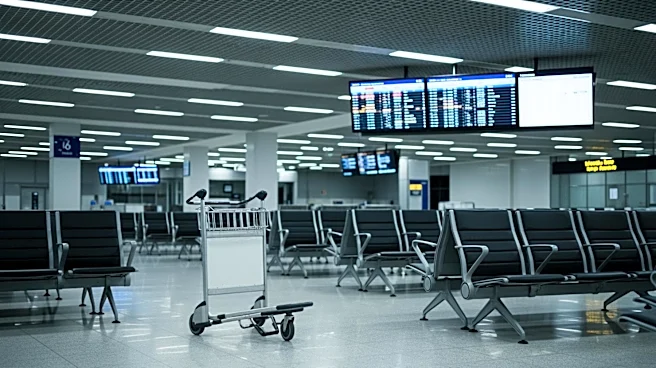
Travelers at Baltimore/Washington International Thurgood Marshall Airport (BWI) were taken by surprise as Spirit Airlines, the airport's second-largest carrier, ceased operations. The sudden shutdown left many passengers stranded and seeking alternative
travel arrangements. Spirit Airlines, which had been in operation for over three decades, cited financial pressures, including rising oil prices, as reasons for the closure. The airline's abrupt exit from the market has created significant disruption for travelers who relied on its budget-friendly services.
Why It's Important?
The closure of Spirit Airlines at BWI highlights the broader impact of airline shutdowns on regional travel hubs and their passengers. As a major carrier at BWI, Spirit's absence will likely lead to increased travel costs and reduced flight options for passengers. The situation underscores the challenges faced by budget airlines in maintaining operations amidst economic pressures. The shutdown also raises questions about the resilience of the airline industry and the need for strategic planning to mitigate the impact of such closures on travelers and airport operations.
What's Next?
Passengers affected by the shutdown are expected to seek refunds and alternative travel options, potentially leading to increased demand for other airlines operating at BWI. The airport may need to adjust its operations and services to accommodate changes in passenger flow and airline presence. The situation could prompt discussions on regulatory measures to support airlines facing financial difficulties and protect consumer interests. Additionally, the industry may explore strategies to enhance the sustainability and resilience of budget carriers in the face of economic challenges.