





What's Happening?
Maryland Governor Wes Moore has expressed concerns regarding the uncertainty surrounding the reduction of gas prices amidst the ongoing conflict in Iran. Governor Moore stated that the president is unable to specify what measures will effectively bring
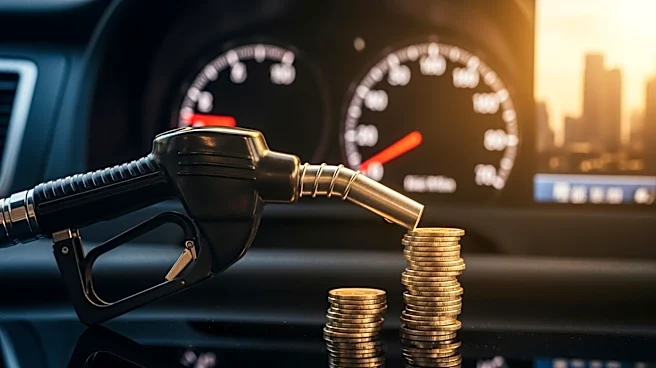
down gas prices during this period of geopolitical tension. The conflict in Iran has contributed to fluctuations in global oil markets, impacting gas prices in the United States. This situation has raised questions about the ability of national leaders to stabilize fuel costs in the face of international crises. Governor Moore's comments highlight the challenges faced by state and federal governments in addressing economic impacts stemming from foreign conflicts.
Why It's Important?
The ongoing conflict in Iran and its impact on gas prices is significant for several reasons. Rising fuel costs can have a broad economic impact, affecting transportation, logistics, and consumer goods prices. For U.S. consumers, higher gas prices mean increased costs for commuting and travel, which can strain household budgets. Businesses, particularly those reliant on transportation and logistics, may face higher operational costs, potentially leading to increased prices for goods and services. The situation underscores the interconnectedness of global events and domestic economic conditions, highlighting the need for strategic energy policies and international diplomacy to mitigate such impacts.
What's Next?
As the situation in Iran continues to evolve, it is likely that U.S. policymakers will explore various strategies to stabilize gas prices. This may include diplomatic efforts to de-escalate tensions in the region, as well as domestic measures to increase energy independence and efficiency. Stakeholders, including government officials, industry leaders, and consumer advocacy groups, will likely engage in discussions to address the economic challenges posed by fluctuating fuel prices. Monitoring the developments in Iran and their impact on global oil markets will be crucial for anticipating future changes in gas prices.