
What's Happening?
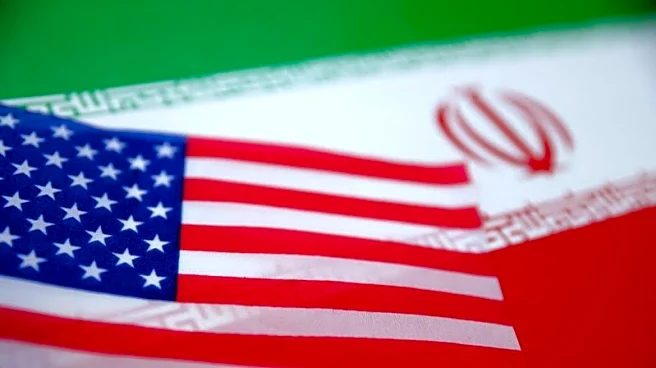
Iranian President Masoud Pezeshkian has declared that Iran is in a 'full-fledged war' with the United States, Israel, and Europe. This statement marks a significant escalation in rhetoric, as Pezeshkian compares
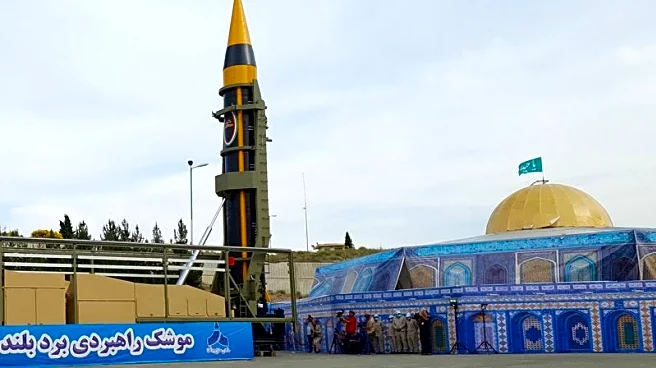
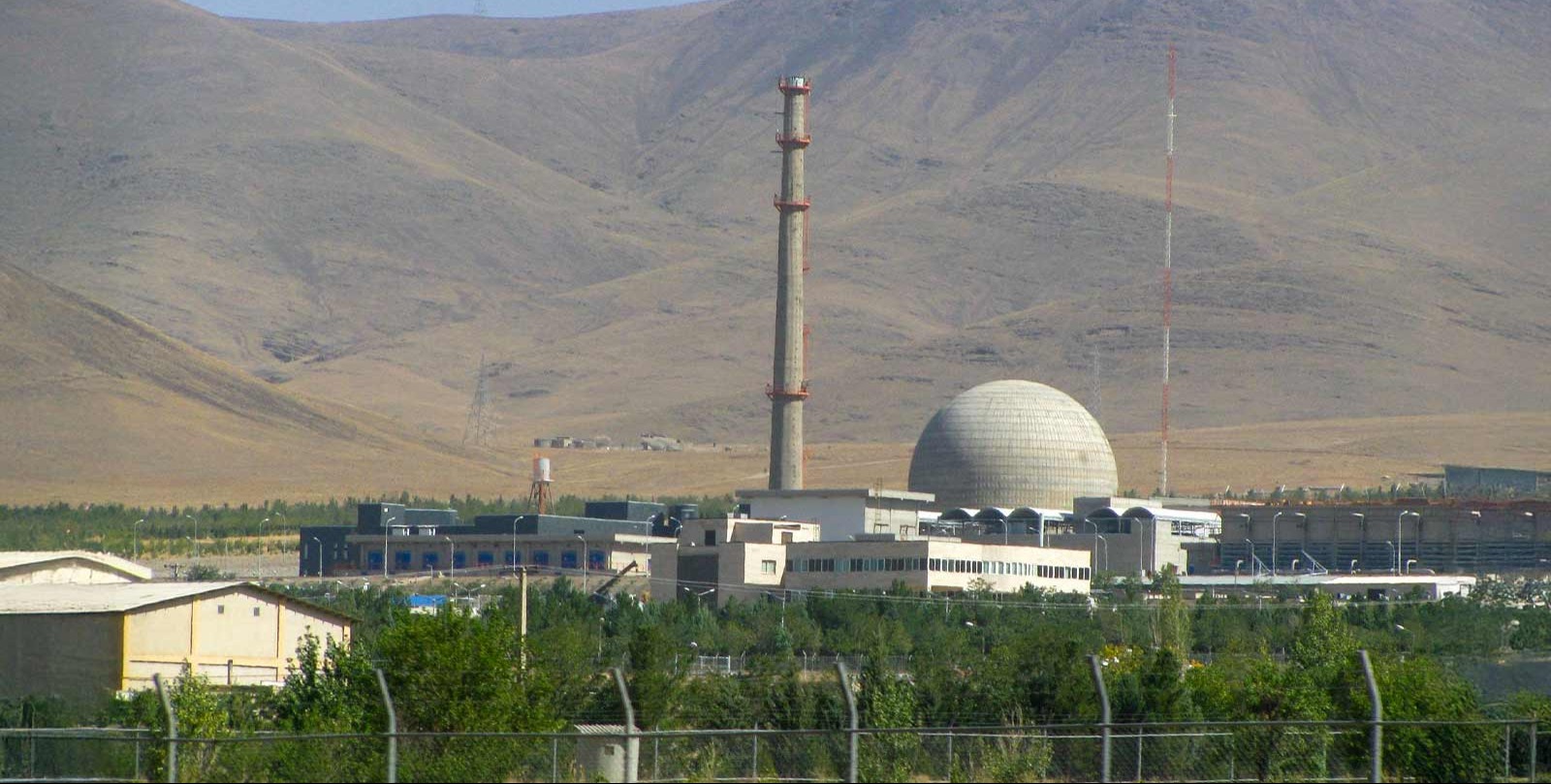
the current situation to the Iran-Iraq war of the 1980s, suggesting that Iran is now better equipped to respond militarily. The declaration comes amid ongoing tensions in the Middle East, where Iran's regional activities and nuclear ambitions have been a point of contention with Western nations. Pezeshkian's comments reflect a hardening stance from Tehran, which has been under increasing pressure from international sanctions and diplomatic isolation.
Why It's Important?
The Iranian president's declaration of war against major global powers could have far-reaching implications for international relations and regional stability. This escalation may lead to increased military confrontations and further destabilize the Middle East, impacting global oil markets and international security. The U.S. and its allies may need to reassess their diplomatic and military strategies in response to Iran's aggressive posture. Additionally, this development could influence domestic politics in the U.S., as policymakers debate the appropriate response to Iran's actions and the potential risks of military engagement.
What's Next?
The international community will likely monitor Iran's actions closely to assess the potential for military escalation. Diplomatic efforts may intensify to de-escalate tensions and prevent a broader conflict. The U.S. and its allies may consider additional sanctions or military deterrence measures to counter Iran's threats. Meanwhile, Iran's internal dynamics, including economic challenges and public sentiment, could influence its government's decisions. The situation remains fluid, with the potential for rapid developments that could alter the geopolitical landscape.