








What's Happening?
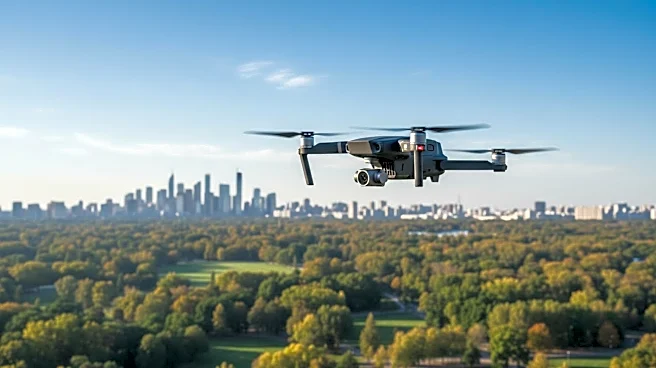
In Minneapolis, the police department is citing a recent missing person case as a successful example of drone technology in action. The case involved a man who was located with the help of a drone, which the police argue demonstrates the potential benefits
of using such technology in first responder operations. This comes amid ongoing discussions about the implementation and expansion of drone programs for emergency services in the city. The debate centers around the effectiveness, privacy concerns, and cost implications of deploying drones in various emergency scenarios.
Why It's Important?
The use of drones by police and emergency services is a growing trend that could significantly impact public safety operations. Proponents argue that drones can provide rapid response capabilities, enhance situational awareness, and improve the efficiency of search and rescue missions. However, there are concerns about privacy and the potential for misuse of surveillance technology. The outcome of this debate in Minneapolis could influence other cities considering similar programs, setting precedents for how drones are integrated into public safety strategies. The decision could affect budget allocations, policy development, and public trust in law enforcement agencies.
What's Next?
As discussions continue, stakeholders including city officials, law enforcement, and community groups will likely weigh in on the future of the drone program. Potential next steps include public hearings, pilot program evaluations, and policy revisions to address privacy and operational concerns. The Minneapolis City Council may also consider regulations to govern the use of drones, balancing technological benefits with civil liberties. The outcome could lead to broader adoption of drones in emergency services or stricter controls to mitigate privacy risks.