





What's Happening?
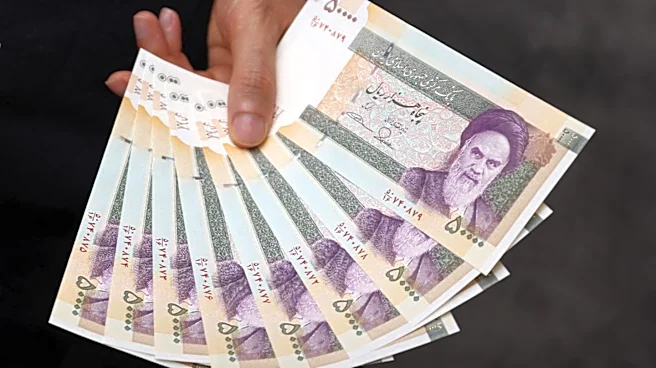
Iran is experiencing a severe inflation crisis, with the US dollar trading at around 1.9 million rials in Tehran's open market. The Iranian government is prioritizing efforts to prevent the exchange rate from reaching 2 million rials. This economic turmoil
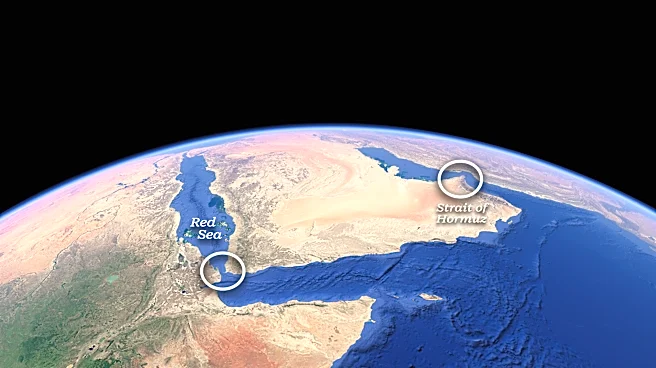
is a result of ongoing fiscal challenges, including constrained oil exports and maritime trade due to conflict with the United States. The Iranian central bank is using its limited reserves to stabilize the currency, but the situation remains precarious. Consumer prices have surged by nearly 89% compared to the previous year, compressing the inflation shock that Americans experienced over 2022 into a much shorter timeframe.
Why It's Important?
The rapid depreciation of the rial and soaring inflation have significant implications for the Iranian economy and its citizens. The devaluation affects everyday life, as it impacts the cost of essential goods and services, including rent, medicine, and groceries. The economic instability is exacerbating unemployment and financial losses in industries affected by electricity shortages. The situation highlights the broader economic pressures Iran faces due to geopolitical tensions and internal fiscal policies. The central bank's interventions are crucial but may only provide temporary relief, as the underlying issues remain unresolved.
What's Next?
The future of Iran's economy depends on several factors, including the outcome of the ongoing conflict, the scale of central bank interventions, and the potential resumption of oil exports. If the current trends continue, the exchange rate could surpass 2 million rials soon, further straining the economy. A wider conflict could exacerbate the situation, while a ceasefire might offer some relief. The central bank's ability to manage the crisis is limited by its dwindling reserves, which are also needed for essential imports like medicine and food.