





What's Happening?
U.S. industrial policy is currently focused on two main objectives: removing untrusted adversary technology from critical supply chains and fostering cooperation with key security partners, particularly in the realm of physical AI. A presidential proclamation
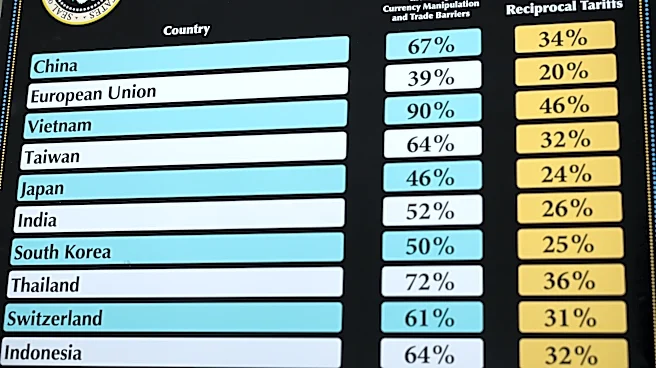
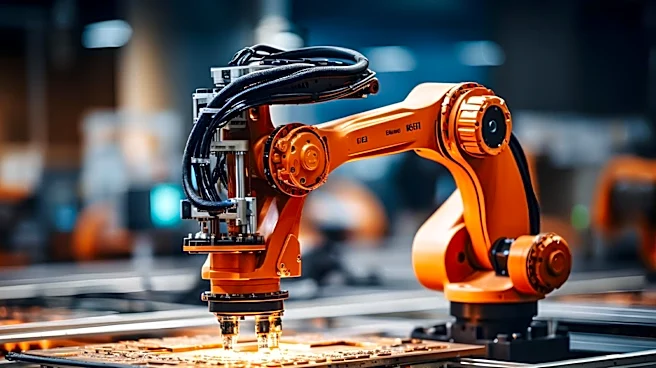
under Section 232 identified robotics imports as a national security threat, initiating a 180-day period for negotiations with trading partners before potential tariffs. The Federal Communications Commission (FCC) has expanded its 'Covered List' to include foreign-produced advanced robotics, requiring them to meet Buy American Act domestic-content standards of over 65%, rising to 75% by 2029. However, these regulations currently lack exemptions for trusted allies, which could inadvertently penalize partners like Japan, a leading producer of precision robotic hardware. Experts suggest creating a 'Trusted Allied Content' credit mechanism within the domestic-content test to allow robots with substantial allied content to avoid being added to the Covered List. This approach aims to safeguard U.S. manufacturing resilience without fragmenting transpacific technological integration, ensuring that democracies collectively build the physical AI ecosystem.
Why It's Important?
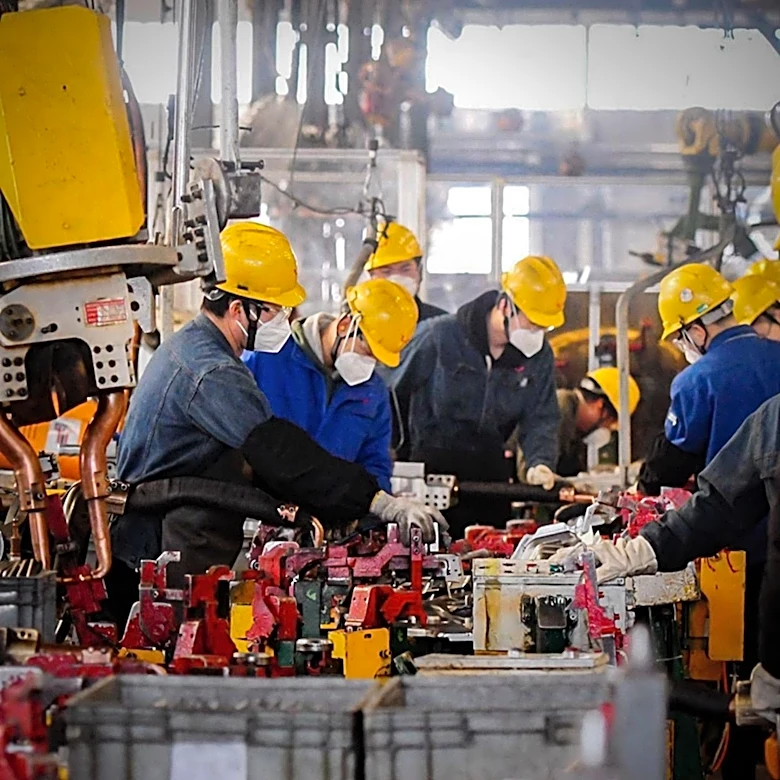
This policy direction is crucial for the U.S. to maintain its competitive edge in advanced manufacturing and national security. By prioritizing the removal of untrusted technology, the U.S. aims to secure its critical supply chains from potential vulnerabilities and adversarial influence. Simultaneously, fostering collaboration with allies like Japan is vital for achieving the necessary scale and expertise to compete with countries like China, which dominates global industrial robot installations. Without exemptions for allied components, U.S. domestic content requirements risk excluding high-quality contributions from partners, leading to inefficiencies and potentially hindering the rapid deployment of advanced robotics. A coordinated strategy with allies, including joint development finance and aligned standards, can lower production costs, accelerate deployment, and ensure that the U.S. and its partners collectively shape the future of physical AI, rather than allowing other nations to dictate market standards and technological advancements.
What's Next?
Over the next 180 days, the U.S. will engage in negotiations with trading partners regarding robotics imports, which will determine the future of tariffs and trade policies in this sector. There is a clear call for the FCC, in coordination with the Department of Defense, to establish a 'Trusted Allied Content' credit mechanism to integrate allied contributions into U.S. supply chains without penalty. Furthermore, the U.S. and Japan are expected to enhance their cooperation in international standard-setting bodies for embodied AI, aiming to shape global rules before other nations do. This includes coordinating on safety and cybersecurity guidelines for physical AI, emphasizing 'security by design.' Joint development finance initiatives, particularly in Latin American manufacturing hubs like Mexico and Brazil, are also proposed to make trusted automation a commercially rational choice, strengthening allied supply chains and preventing reliance on cheaper, potentially untrusted systems.
Beyond the Headlines
The U.S. industrial policy's emphasis on both security and allied cooperation reflects a broader geopolitical strategy to counter the growing influence of non-allied nations in critical technological sectors. The challenge lies in balancing domestic protectionism with the need for global collaboration to achieve technological superiority and economic resilience. The ethical implications of AI deployment, particularly in physical systems that interact with humans, necessitate robust international standards for safety and cybersecurity. The long-term success of this policy will depend on the U.S.'s ability to navigate complex trade relationships, incentivize domestic innovation, and effectively integrate allied capabilities without creating new barriers. This strategic shift could lead to a more fragmented global technology landscape, with distinct blocs of allied nations developing and deploying advanced technologies, potentially reshaping global supply chains and economic alliances for decades to come.