









What's Happening?
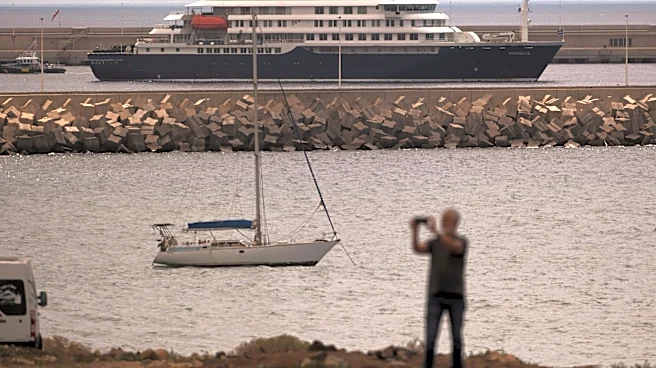
The Centers for Disease Control and Prevention (CDC) has reported an outbreak of the Andes strain of hantavirus linked to the cruise ship MV Hondius. This outbreak has resulted in five confirmed cases and three deaths. The virus, which is known for its
potential for person-to-person transmission, was likely introduced through a zoonotic spillover event, possibly involving rodent exposure during bird-watching activities. The ship's journey included stops from Ushuaia, Argentina, to the Canary Islands. Despite the severity of the outbreak, the CDC has stated that the risk of the virus spreading broadly to the United States is extremely unlikely.
Why It's Important?
The outbreak highlights the ongoing risks of zoonotic diseases, which can jump from animals to humans, especially in environments like cruise ships where close contact is common. The Andes strain's ability to spread between people raises concerns about potential future outbreaks and the need for stringent health measures in travel and tourism sectors. The incident underscores the importance of monitoring and controlling rodent populations in areas frequented by tourists to prevent similar occurrences. The economic impact on the cruise industry could be significant, as health scares may deter travelers, affecting revenue and employment in the sector.
What's Next?
Health authorities are likely to increase surveillance and preventive measures on cruise ships to mitigate the risk of similar outbreaks. The CDC and other international health organizations may issue updated guidelines for cruise operators to enhance sanitation and rodent control measures. There may also be a push for more comprehensive health screenings for passengers and crew before boarding. The incident could lead to discussions on improving global health protocols for travel and tourism to better handle infectious disease threats.