




What's Happening?
Recovering from the flu primarily involves self-care at home, focusing on rest, hydration, and managing symptoms, according to UPMC HealthBeat. Key recommendations include getting ample rest to allow the immune system to fight the infection, staying well-hydrated
with fluids like water, broth, and tea, and consuming easy-to-digest, nutritious foods. For symptoms such as fever, headaches, and body aches, over-the-counter medications can provide relief, alongside methods like applying cool cloths and taking lukewarm baths. Sore throats can be soothed with honey, lozenges, and warm gargles, while nasal congestion may benefit from steam inhalation, saline sprays, and humidifiers. The guidance stresses listening to one's body, taking breaks, and gradually returning to normal activities only after being fever-free for at least 24 hours and feeling better.
Why It's Important?
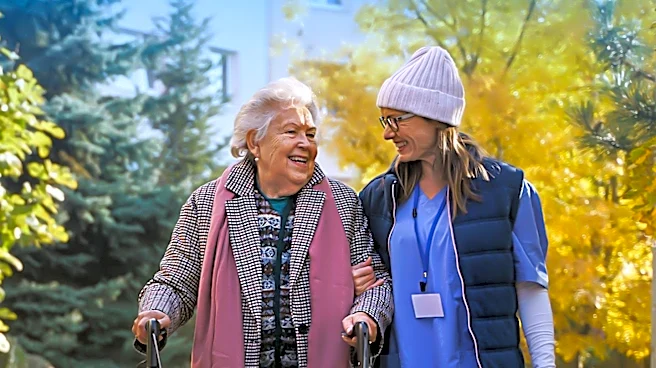
Effective home care for the flu is crucial for several reasons. It helps individuals recover more quickly and comfortably, reducing the severity and duration of symptoms. By managing the illness at home, it also helps prevent the spread of the virus within the community and reduces the burden on healthcare facilities, allowing them to focus on more severe cases. Proper hydration and rest are fundamental to supporting the body's immune response, preventing complications like dehydration, and ensuring a smoother recovery. For caregivers, understanding these home care strategies is vital to support loved ones effectively while also taking precautions to avoid contracting the virus themselves. This approach empowers individuals to take an active role in their recovery and promotes public health by minimizing transmission.
What's Next?
Individuals recovering from the flu should continue to prioritize rest and hydration until symptoms significantly improve and energy levels return. It is advised to wait until being fever-free for at least 24 hours before resuming normal daily activities to prevent relapse and further spread. Post-recovery, the focus shifts to preventive measures for future flu seasons, primarily through annual flu vaccinations. These vaccines are recommended to lower the risk of infection, reduce the severity of illness, and decrease the likelihood of hospitalization. Public health campaigns will likely continue to emphasize the importance of vaccination and good hygiene practices, such as handwashing and covering coughs, to mitigate the impact of future flu outbreaks.
Beyond the Headlines
Beyond the immediate recovery, the emphasis on self-care for the flu highlights broader public health principles. It underscores the importance of individual responsibility in managing common illnesses and protecting community health. The detailed guidance on symptom management also reflects a growing trend towards empowering individuals with practical knowledge to handle health issues at home, reducing unnecessary medical visits. This approach can foster greater health literacy and self-efficacy within the population. Furthermore, the advice for caregivers points to the critical role of informal support networks in healthcare, emphasizing the need for clear, actionable information to assist those caring for sick family members. This collective effort in managing seasonal illnesses contributes to overall public health resilience.