





What's Happening?
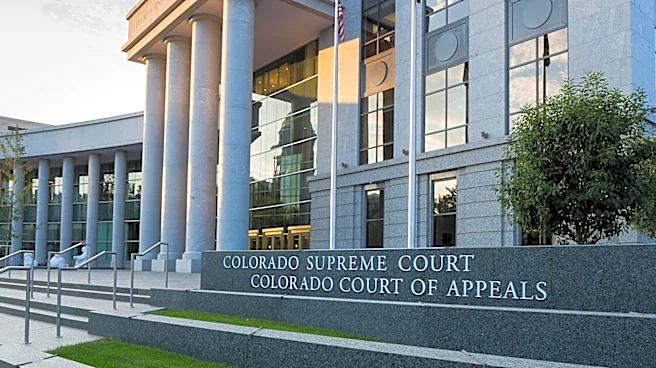
A federal appeals court has declined to reconsider a previous decision that allows the transfer of Arizona’s Oak Flat to Resolution Copper mining company. The 9th U.S. Circuit Court of Appeals denied a petition from conservation groups and Tribal advocates
who sought a rehearing of a March decision by a three-judge panel. This earlier ruling had cleared the way for the transfer of the sacred Apache site and popular campground to Resolution Copper, a subsidiary of multinational mining companies Rio Tinto and BHP. Chief Judge Mary Murguia, among five dissenting judges, expressed strong disappointment, stating the court missed an opportunity to correct a “tragic error.” The current ruling does not resolve the merits of the underlying case, which remains active in U.S. District Court. Opponents argue that the U.S. Forest Service’s environmental impact statement for the land exchange failed to adequately analyze the project's potential damage to water resources, public lands, and wildlife, leading to the transfer of over 2,400 acres from the Tonto National Forest.
Why It's Important?
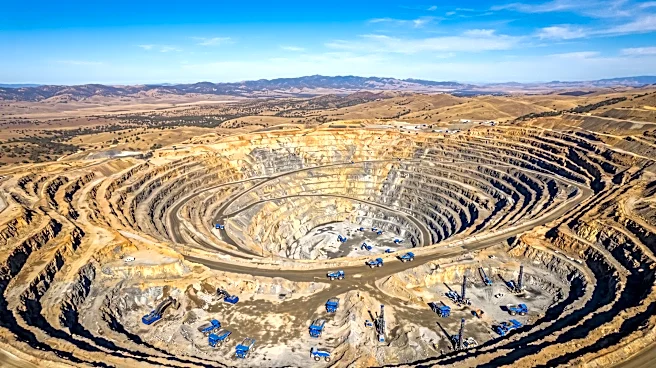
This decision has significant implications for environmental protection, Indigenous rights, and the future of mining operations on public lands in the U.S. Oak Flat is a site of profound religious and cultural importance to the San Carlos Apache Tribe and other Tribal Nations, and its transfer for mining purposes represents a direct threat to their heritage and spiritual practices. The proposed block-cave mining operation by Resolution Copper is projected to permanently destroy the site, creating a massive crater and depleting regional groundwater supplies, which would have severe ecological consequences for threatened and endangered species and recreational users. The ongoing legal battle highlights the tension between economic development through resource extraction and the preservation of cultural sites and natural environments. The outcome of the underlying lawsuit in U.S. District Court will set a precedent for how federal agencies balance these competing interests and uphold their responsibilities under environmental and Indigenous protection laws.
What's Next?
The underlying lawsuit challenging the land transfer will continue in U.S. District Court, where conservation groups and Tribal advocates intend to pursue all available legal avenues to protect Oak Flat. Organizations like the Center for Biological Diversity, the Sierra Club, and the Access Fund remain committed to their cause, emphasizing the immense cultural, ecological, and recreational value of the site. They will continue to press their case, focusing on the alleged flaws in the U.S. Forest Service’s environmental impact statement. The mining company's proposed operation, which involves block-cave mining, will face continued scrutiny regarding its environmental and social impacts. The legal proceedings will determine whether the transfer can be halted or reversed, and could influence future decisions regarding resource development on lands sacred to Indigenous communities and ecologically sensitive areas across the U.S.
Beyond the Headlines
The Oak Flat controversy extends beyond a simple land dispute, touching upon fundamental questions of sovereignty, environmental justice, and the long-term sustainability of resource extraction. The resistance from the San Carlos Apache Tribe and allied conservation groups underscores a growing national movement to protect Indigenous sacred sites from industrial development. This case highlights the systemic challenges faced by Tribal Nations in asserting their rights over ancestral lands, even when those lands are recognized for their cultural and ecological significance. The potential destruction of Oak Flat could lead to irreversible cultural loss and environmental degradation, raising ethical concerns about prioritizing corporate interests over heritage and ecological preservation. The legal and public discourse surrounding Oak Flat could influence future policy-making on federal land management, potentially leading to stronger protections for sacred sites and more rigorous environmental reviews for mining projects, reflecting a broader societal shift towards valuing cultural and ecological integrity alongside economic gains.