


What's Happening?
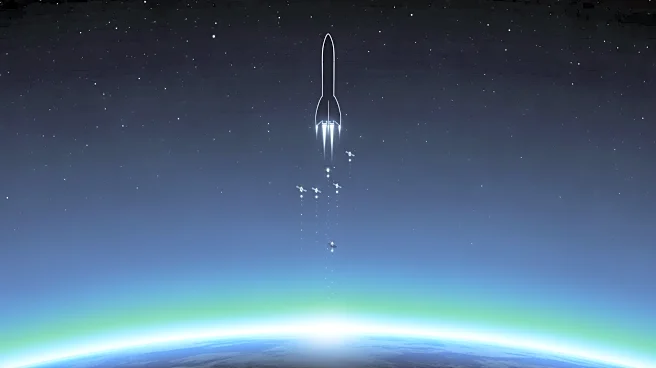
Firefly Aerospace's Alpha rocket was scheduled to return to flight on March 1, 2026, after a 10-month grounding period. The launch, named 'Stairway to Seven,' was set to take place at Vandenberg Space Force Base in California. However, the launch was scrubbed
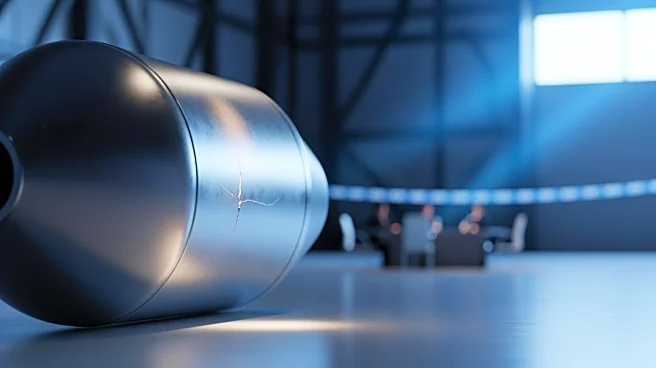
due to high winds, and a new target date has not been announced. This mission was intended to be a test flight without operational payloads, aiming to achieve nominal first and second stage performance. The Alpha rocket's previous mission, 'Message in a Booster,' faced issues when the first-stage booster broke apart, affecting the upper stage's thrust and resulting in the loss of the payload. The 'Stairway to Seven' mission is crucial for testing and validating key systems before the Block II configuration upgrade, which includes enhancements in reliability and manufacturability.
Why It's Important?
The successful return of Firefly Aerospace's Alpha rocket is significant for the commercial space industry, as it represents a step forward in the development of reliable and cost-effective launch vehicles. The mission's outcome could impact Firefly's reputation and future contracts, especially after the previous mission's failure. The aerospace sector closely watches such developments, as they influence market dynamics and competition. A successful launch would demonstrate Firefly's ability to overcome past challenges and enhance its technological capabilities, potentially attracting more clients and investment. Conversely, further delays or failures could hinder the company's growth and competitiveness in the space launch market.
What's Next?
Firefly Aerospace will need to reschedule the Alpha rocket's launch, taking into account weather conditions and technical readiness. The company will likely focus on ensuring all systems are thoroughly tested and validated before the next attempt. Stakeholders, including potential clients and investors, will be monitoring the situation closely. The aerospace community will also be interested in the performance of the Block II configuration, which promises improvements in reliability and manufacturability. Successful implementation of these upgrades could position Firefly as a more competitive player in the space launch industry.