



What's Happening?
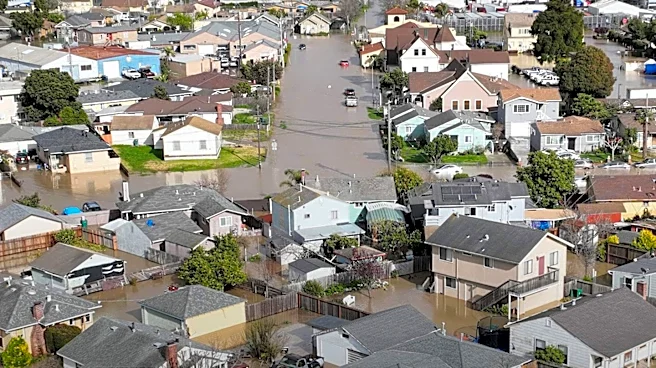
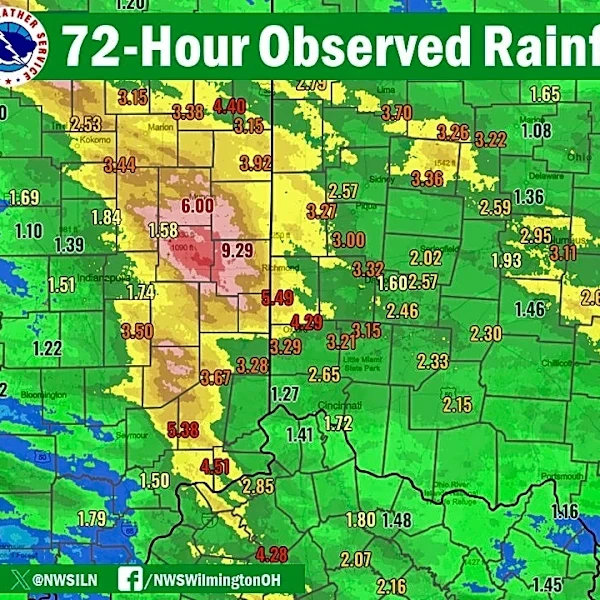
Philadelphia's suburbs are facing challenges due to intensifying summer storms, which are testing the region's aging infrastructure. Frequent flash floods and extreme precipitation have become common, disrupting transit and damaging homes and power lines.
The suburbs' infrastructure, built for less severe weather patterns, is struggling to cope with the increased frequency and intensity of storms. Local governments are investing millions in repair and resilience projects, but the outdated stormwater systems and dense development complicate efforts to manage flooding effectively.
Why It's Important?
The situation in Philadelphia's suburbs highlights the broader issue of climate change and its impact on urban infrastructure. As weather patterns intensify, regions across the U.S. must adapt to new realities, requiring significant investment in infrastructure upgrades and climate resilience strategies. The challenges faced by Philadelphia's suburbs are indicative of the difficulties many communities encounter in balancing development with environmental sustainability. The need for effective stormwater management and land-use planning is critical to mitigate the impacts of climate change and protect residents.
What's Next?
Local governments and climate experts are working on long-term resilience strategies, including floodplain restoration and stormwater system upgrades. Efforts to preserve natural drainage patterns and implement climate-sensitive zoning decisions are underway. However, funding and political will remain obstacles. The region may see increased collaboration across municipal lines to address shared challenges. As climate change continues to affect weather patterns, ongoing adaptation and investment in infrastructure will be necessary to ensure community safety and resilience.