








What's Happening?
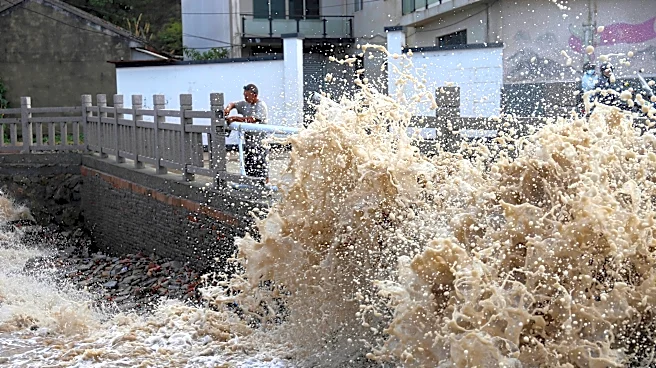
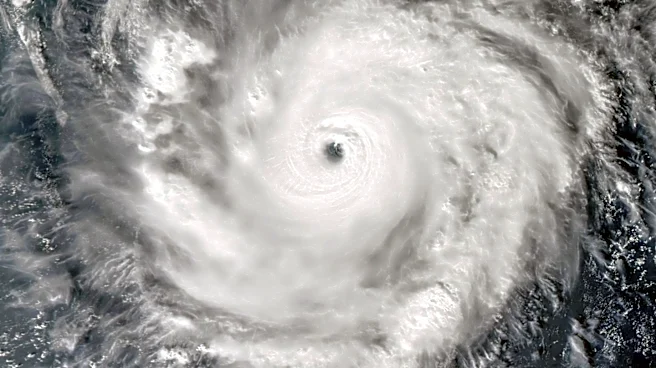
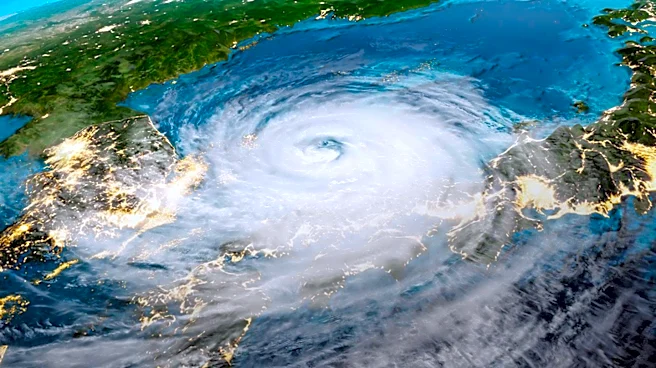
A powerful typhoon named Bavi is approaching the southwestern region of Japan, specifically targeting the Sakishima Islands, which are part of Okinawa Prefecture. The typhoon is expected to bring violent winds, torrential rain, and potential landslides
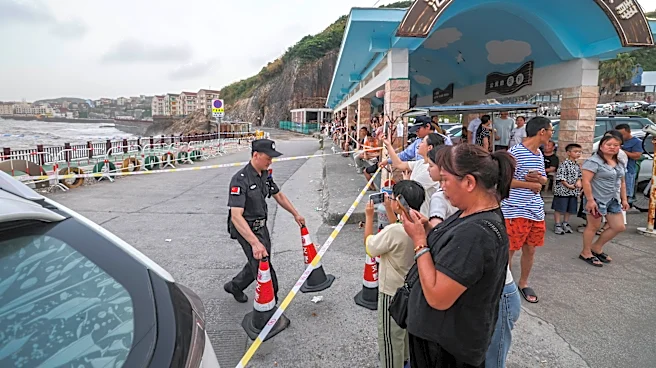
and flooding. Meteorological authorities have issued warnings as the storm is anticipated to pass very close to these islands early on Saturday morning. Maximum sustained winds have been recorded at 162 kph (100 mph). In preparation, local residents on Ishigaki Island are taking precautions by taping windows and securing properties with windproof nets. The storm has already caused significant disruptions, with airlines like Japan Airlines and All Nippon Airways canceling hundreds of flights, affecting tens of thousands of passengers. Additionally, nearly 900 buildings in Okinawa Prefecture are without power. In Taiwan, although Bavi is not expected to make landfall, it is predicted to bring heavy rainfall, prompting evacuations and the closure of financial markets.
Why It's Important?
The approach of Typhoon Bavi is significant due to its potential to cause widespread damage and disruption in the affected regions. The storm's impact on transportation, with numerous flight cancellations, highlights the logistical challenges and economic implications for the region. The preparedness measures taken by residents and authorities underscore the severity of the threat posed by such natural disasters. The situation also emphasizes the vulnerability of island communities to extreme weather events, which can lead to power outages, infrastructure damage, and economic losses. The response to the typhoon, including evacuations and the mobilization of military personnel in Taiwan, reflects the importance of disaster preparedness and the need for effective emergency management strategies.
What's Next?
As Typhoon Bavi continues its path, the focus will be on monitoring its trajectory and intensity. Authorities in Japan and Taiwan will likely continue to implement and adjust emergency measures to mitigate the storm's impact. The potential landfall in eastern China around the city of Wenzhou will require further preparations to protect the population and infrastructure. The aftermath of the typhoon will involve assessing damage, restoring services, and providing aid to affected communities. The situation may also prompt discussions on improving infrastructure resilience and disaster response capabilities in the region.