
What's Happening?
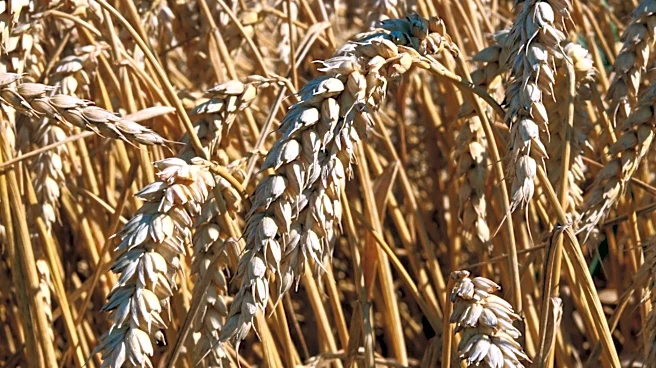
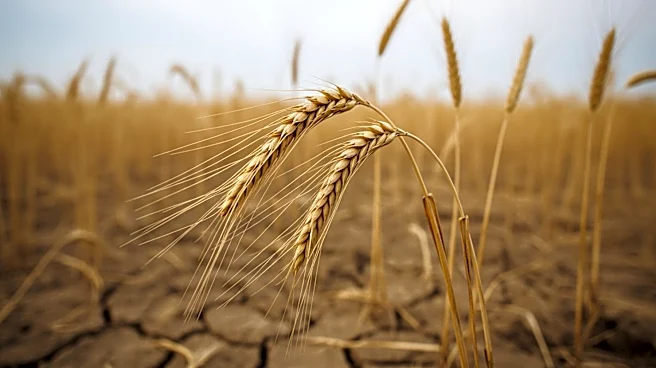
The U.S. Department of Agriculture has forecasted that the 2026 wheat harvest will be the smallest since 1972. This decline is attributed to drier conditions and rising input costs, which have made wheat farming
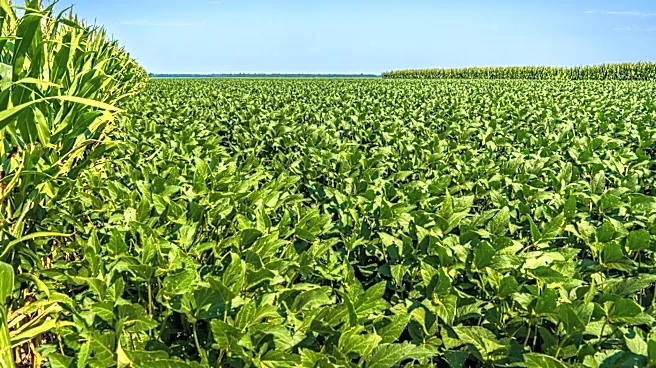
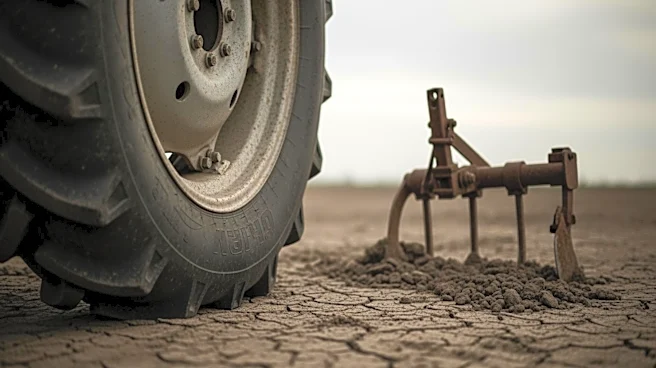
less profitable. Farmers are facing challenges such as increased fertilizer and fuel prices, leading to reduced profit margins. As a result, some farmers are altering their crop rotations, opting to plant more profitable crops like corn and soybeans instead of wheat. The dry conditions have forced early harvesting to salvage crops, further complicating the situation for wheat farmers.
Why It's Important?
The anticipated reduction in wheat production could have significant implications for the U.S. agricultural sector and food supply. Lower wheat yields may lead to higher prices and potential shortages, affecting both domestic and international markets. The economic strain on farmers could also impact rural communities and related industries. As wheat is a staple crop, any disruption in its supply could have ripple effects on food security and inflation. Policymakers and industry leaders may need to consider measures to support farmers and stabilize the market.
What's Next?
Farmers and agricultural stakeholders will need to adapt to the changing conditions by exploring alternative crops and farming practices. The government may need to provide support through subsidies or incentives to help farmers manage rising costs and maintain production levels. Additionally, research into drought-resistant crop varieties and sustainable farming techniques could be crucial in mitigating the impact of future climate-related challenges.