






What's Happening?
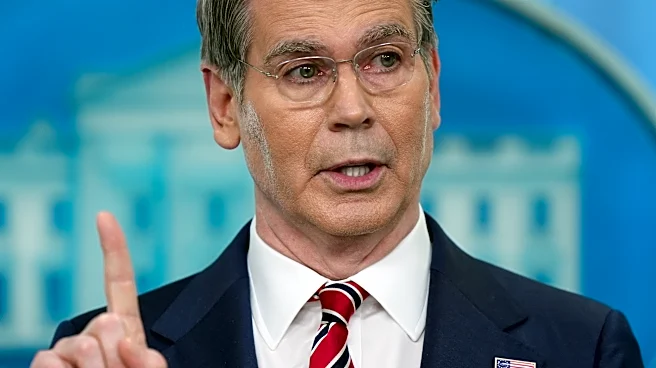
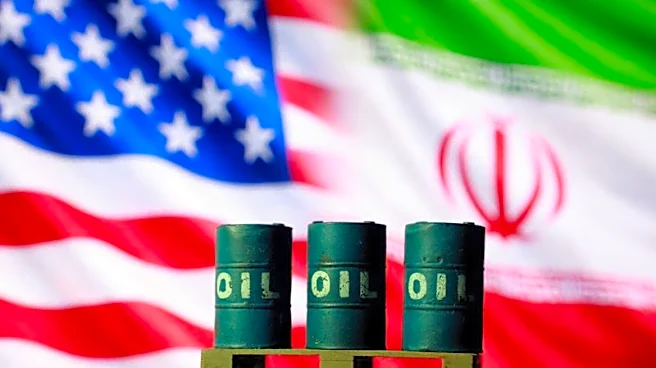
China has dismissed threats from the United States regarding sanctions on countries purchasing Iranian oil. The U.S. Treasury Secretary, Scott Bessent, indicated that Washington is prepared to impose secondary sanctions on entities involved in Iranian oil transactions.
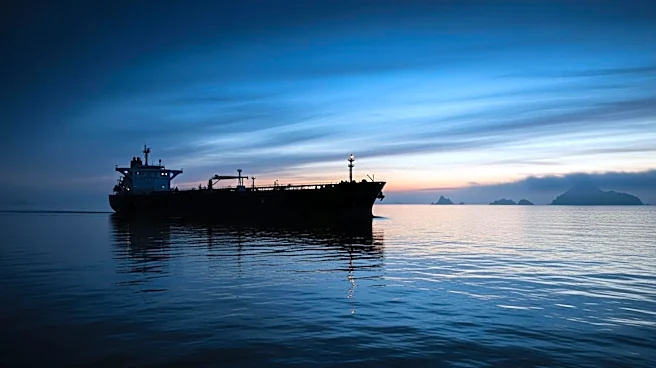
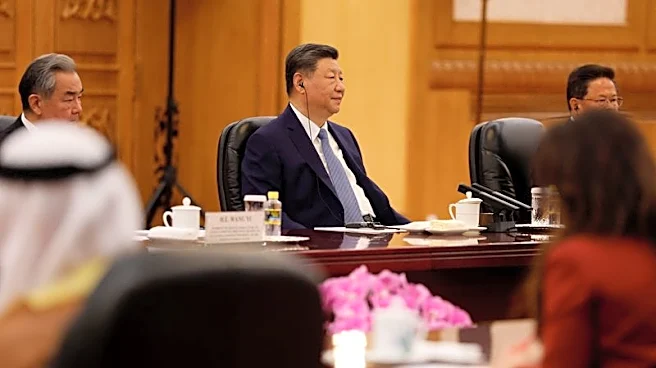
This move is part of a broader U.S. strategy to pressure Iran economically. China, a major buyer of Iranian oil, has opposed these unilateral sanctions, emphasizing the need for United Nations Security Council authorization. The U.S. has also implemented a naval blockade in the Strait of Hormuz, a critical passage for global oil shipments, further complicating the situation.
Why It's Important?
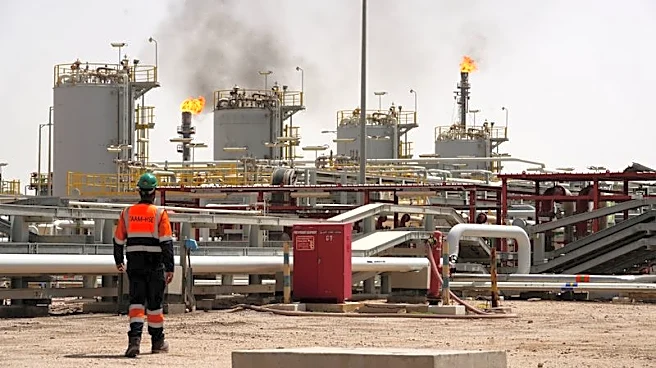
The U.S. sanctions and blockade are part of a maximalist approach to curtail Iran's oil revenues, a significant component of its economy. This strategy aims to exert pressure on Iran amid ongoing negotiations over its nuclear program. China's opposition to these measures highlights the geopolitical tensions between the U.S. and China, particularly regarding energy security and international trade norms. The situation could impact global oil prices and supply chains, affecting economies worldwide. China's continued purchase of Iranian oil, despite U.S. pressure, underscores its strategic interests in maintaining energy security and economic stability.
What's Next?
The U.S. and Iran are expected to continue negotiations, with the potential for further diplomatic engagements involving other global powers. China's role as a major buyer of Iranian oil positions it as a key player in these discussions. The ongoing blockade and sanctions could lead to increased tensions in the region, with potential implications for global energy markets. Stakeholders will be closely monitoring the situation for any shifts in policy or strategy that could affect international relations and economic stability.