
What's Happening?
Atlanta Mayor Andre Dickens' administration is requesting a specially called City Council meeting to initiate condemnation proceedings for five blighted properties on the city's Westside. These properties,
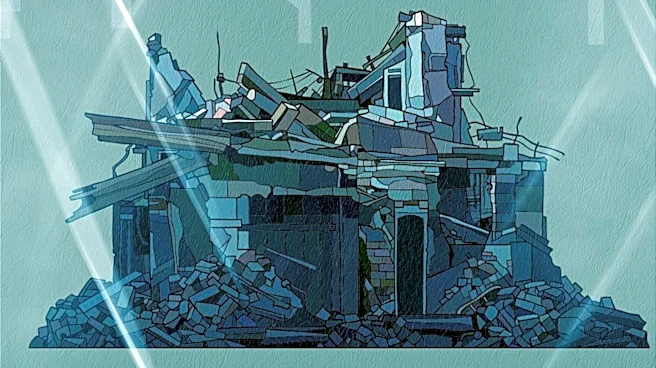
located in communities such as Brookview Heights, English Avenue, and Vine City, have been identified as long-standing burdens on residents. The proposed resolutions would authorize the mayor's office to use Georgia law to condemn these properties to remedy blight. Among the targeted sites are long-shuttered houses near Rodney Cook Sr. Park, a multifamily building in English Avenue, and a former Texaco gas station that has been closed for over a decade. This action aligns with the administration's Neighborhood Reinvestment Initiative, which aims to channel over $5 billion in Tax Allocation District spending towards infrastructure improvements and affordable housing. The mayor's office clarified that condemnation does not mean the city will own the properties, but rather that any acquisition would be based on fair-market appraisals and potentially involve legal proceedings in Georgia Superior Court if eminent domain becomes necessary.
Why It's Important?
The mayor's initiative to condemn blighted properties is a significant step in addressing urban decay and its multifaceted impacts on Atlanta's communities. Blighted properties often attract crime, depress property values, and diminish the quality of life for residents, creating barriers to neighborhood revitalization. By targeting these specific sites, the city aims to remove long-standing obstacles to development and improve safety and economic opportunities in historically underserved areas. This action also signals a more aggressive approach to enforcing property maintenance standards and holding absentee owners accountable. The Neighborhood Reinvestment Initiative, supported by these condemnation efforts, has the potential to drive substantial investment and foster equitable growth, but its success will depend on careful execution and community engagement to ensure that revitalization benefits existing residents and prevents displacement.
What's Next?
The immediate next step is for the Atlanta City Council to approve the proposed resolutions, which would allow the mayor's office to begin the legal process of condemnation. If approved, the city will proceed with fair-market appraisals of the properties and, if necessary, pursue eminent domain through Georgia Superior Court. This process can be lengthy and may involve legal challenges from property owners. Concurrently, the city will continue to implement its Neighborhood Reinvestment Initiative, channeling funds towards infrastructure and affordable housing projects in targeted areas. The effectiveness of this strategy will be closely watched, particularly in light of previous challenges with the city's 'blight tax' ordinance, which has yet to collect significant revenue. The city's ability to successfully acquire and redevelop these properties will be crucial for demonstrating the initiative's impact.
Beyond the Headlines
The condemnation of blighted properties in Atlanta touches upon deeper issues of urban equity, gentrification, and the balance between property rights and community welfare. While the stated goal is to revitalize neighborhoods and improve residents' quality of life, such actions can also raise concerns about potential displacement and the changing character of long-established communities. The city's emphasis on fair-market appraisals and legal due process is intended to mitigate these risks, but the long-term impact on housing affordability and community demographics will be a critical measure of success. This initiative could serve as a model for other cities grappling with similar issues, demonstrating how targeted interventions can address blight while striving for inclusive development. It also highlights the ongoing tension between economic development and preserving the social fabric of urban neighborhoods.