








What's Happening?
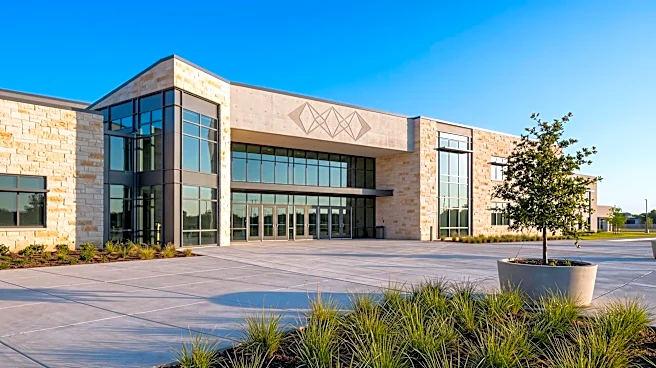
Harmony Public Schools is significantly expanding its presence in Fort Bend County, Texas, with the construction of new campuses in Rosenberg and Missouri City, alongside a multi-million dollar expansion of its existing Katy campus. In Rosenberg, Harmony Science
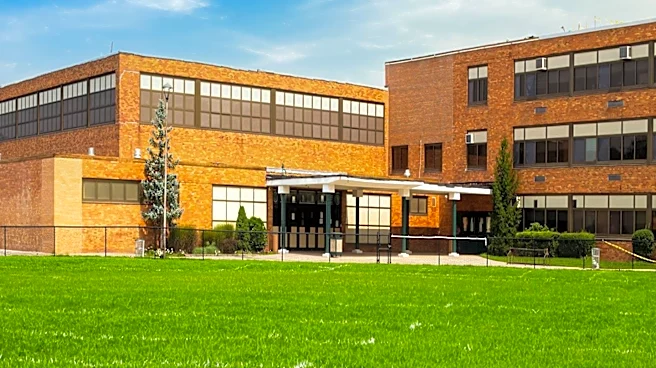
Academy-Rosenberg is scheduled to open for the 2027-28 school year, initially serving 650 students from prekindergarten through fifth grade. This elementary school is part of a larger 20-acre site planned for future middle and high school facilities. Similarly, Harmony Science Academy-Missouri City is also set to open for the 2027-28 school year, accommodating 650 prekindergarten through fifth-grade students on a 28-acre site, with plans for future expansion to include middle and high schools. Both new elementary schools will feature makerspaces, laboratories, and playgrounds. The Katy campus, Harmony Science Academy-Katy, is undergoing a $5.5 million expansion, which includes a 13,280-square-foot gym and cafeteria addition, along with various site improvements like a soccer field, basketball court, and outdoor classroom. Harmony Public Schools is a Texas public charter school system emphasizing science, technology, engineering, and mathematics (STEM) education.
Why It's Important?
This expansion by Harmony Public Schools is important for several reasons. Firstly, it addresses the growing educational needs in Fort Bend County, a rapidly developing area in Texas, by providing more schooling options for families. The focus on STEM education in these new and expanded facilities aligns with national priorities to strengthen the workforce in critical technological and scientific fields, potentially benefiting the U.S. economy in the long term. The inclusion of makerspaces and project-based learning environments in the new campuses signifies a commitment to innovative educational approaches that foster critical thinking and problem-solving skills. This investment in public charter schools also highlights the ongoing debate and growth of alternative educational models within the U.S. public school system, offering choices beyond traditional district schools. The substantial financial investment in these projects indicates confidence in the demand for Harmony's educational model and its potential impact on student achievement and community development.
What's Next?
The new Harmony Science Academy campuses in Rosenberg and Missouri City are scheduled to open for the 2027-28 school year, with construction continuing until then. The expansion of Harmony Science Academy-Katy is expected to be completed by June 2026, with construction having commenced in February 2026. Harmony Public Schools will continue accepting applications for the 2026-27 school year at its existing schools and will likely begin enrollment processes for the new campuses closer to their opening dates. The long-term plans for both the Rosenberg and Missouri City sites include developing adjacent middle and high school facilities, indicating a phased expansion that will eventually serve students from prekindergarten through 12th grade. This ongoing development suggests a sustained commitment by Harmony Public Schools to grow its footprint and educational offerings in the Fort Bend and Katy areas, potentially leading to further expansions in the future.
Beyond the Headlines
The expansion of Harmony Public Schools in Fort Bend County reflects a broader trend in U.S. education: the increasing role and influence of charter schools. This development raises deeper questions about educational equity, resource allocation between charter and traditional public schools, and the impact of school choice on local communities. The emphasis on STEM education in Harmony's curriculum also points to a societal recognition of the importance of these fields for future economic competitiveness and innovation. As these new campuses become operational, their success and impact on student outcomes will be closely watched, potentially influencing educational policy and funding decisions at the state and national levels. The growth of such specialized charter schools could also lead to shifts in local demographics and property values, as families seek out educational environments that align with their academic priorities.