

What's Happening?
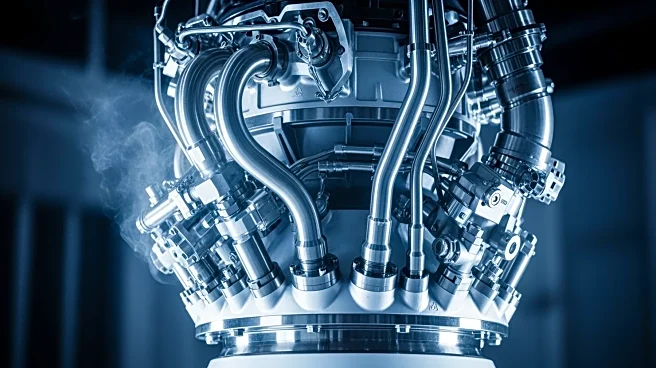
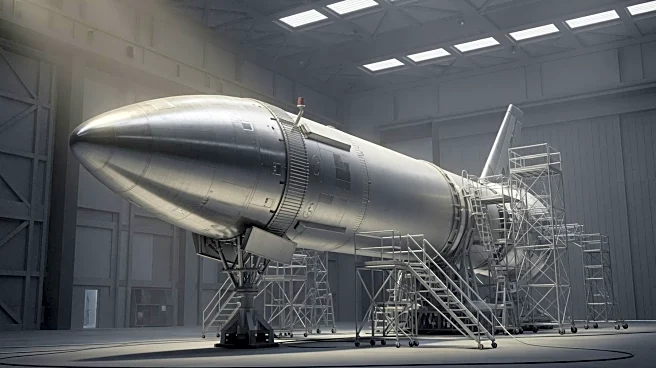
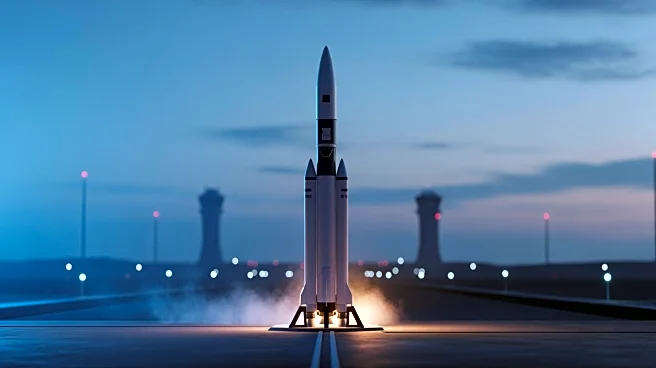
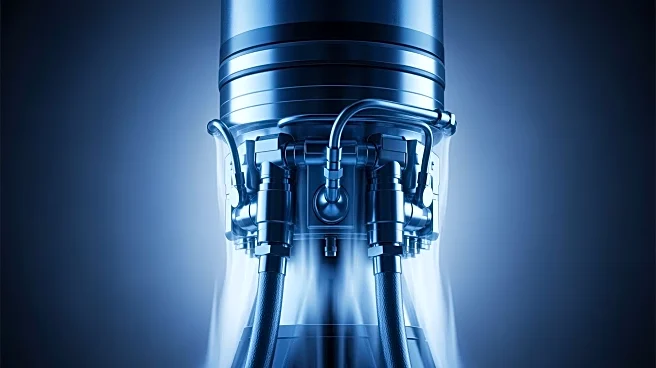
NASA's Artemis II moon rocket is being returned to the hangar at Kennedy Space Center for further repairs. The rocket, intended for a manned mission, encountered issues with its helium system, which is crucial for engine purging and fuel tank pressurization.
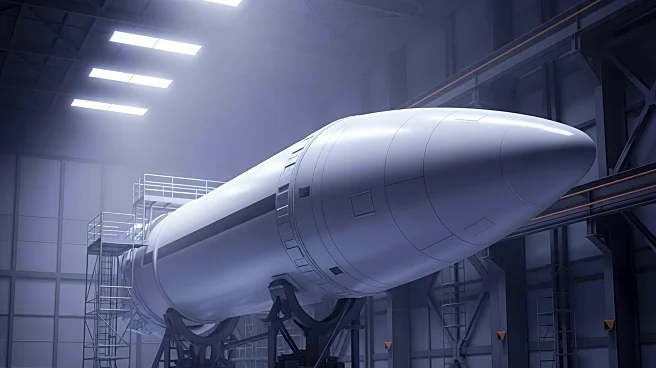
This setback follows previous hydrogen fuel leaks, delaying the mission's launch. The rocket's return to the Vehicle Assembly Building is necessary to address these technical problems, with the aim of preserving an April launch attempt.
Why It's Important?
The Artemis II mission is a significant step in NASA's efforts to return humans to the moon, marking the first such mission since the Apollo program. Technical challenges and delays highlight the complexities involved in space exploration and the importance of ensuring safety and reliability in such missions. Successful resolution of these issues is crucial for maintaining the timeline of NASA's lunar exploration goals, which have implications for scientific research, international collaboration, and the future of human spaceflight.
What's Next?
NASA plans to conduct repairs and further testing to resolve the helium system malfunction. The agency is targeting an April launch window, contingent on successful repairs and favorable conditions. The Artemis II crew remains on standby, ready to proceed once the rocket is deemed fit for launch. Continued monitoring and adjustments will be necessary to ensure the mission's success and adherence to the planned schedule.