







What's Happening?
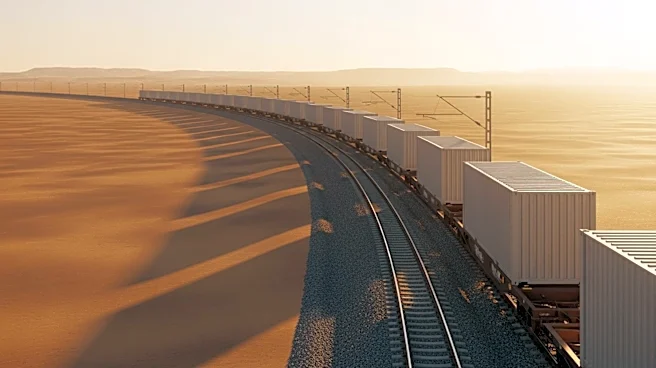
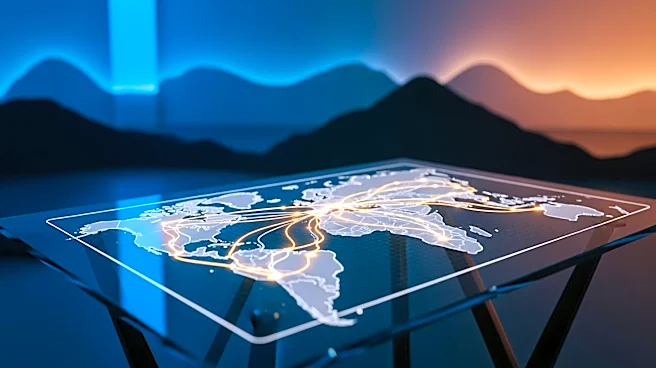
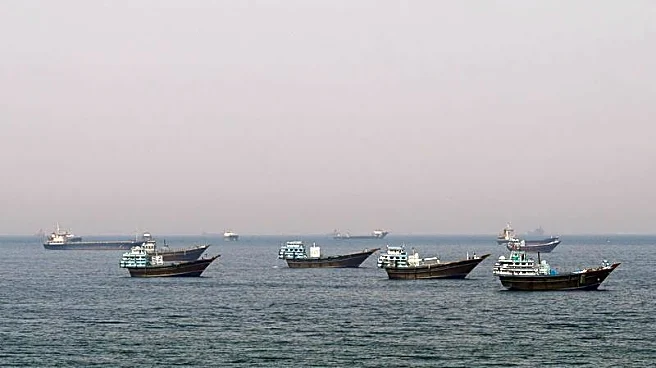
Israel is intensifying efforts to advance the India-Middle East-Europe Economic Corridor (IMEC), a proposed trade route that aims to connect India to Europe via the Gulf, Jordan, and Israel. This initiative seeks to provide an alternative to the Strait
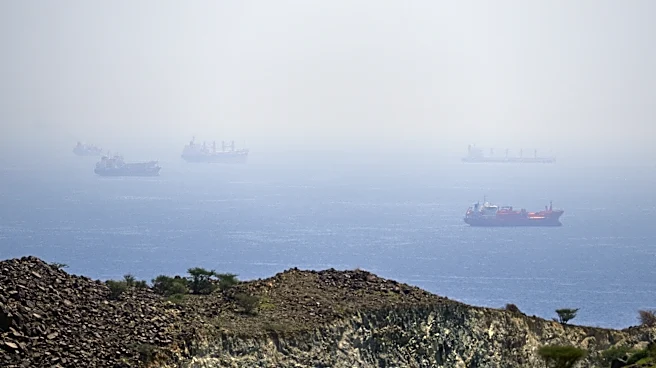
of Hormuz, a strategic waterway where Iran has disrupted shipping during ongoing conflicts. The project, initially announced by the Biden administration before the October 7 attack, has gained complexity due to the war in Gaza. Israeli officials from the Foreign and Finance Ministries view the current geopolitical climate as a rare opportunity to push the project forward. However, securing Saudi Arabia's participation remains a significant challenge, as Riyadh has shown less enthusiasm compared to other Gulf states. Despite these obstacles, this marks the first substantial progress on the corridor since the October 7 events.
Why It's Important?
The development of the IMEC trade corridor is significant as it aims to reduce Iran's influence over global trade routes, particularly in the Strait of Hormuz, which is a critical chokepoint for oil and gas shipments. By providing an alternative route, the corridor could enhance global trade security and reduce the economic leverage Iran holds. For Israel, the corridor represents a strategic move to ensure that international trade dynamics do not limit its military options in the region. The project also highlights the shifting alliances and economic strategies in the Middle East, as countries seek to navigate the complex geopolitical landscape. The reluctance of Saudi Arabia to fully commit to the project underscores the nuanced diplomatic relations within the Gulf region.
What's Next?
The next steps for the IMEC project involve diplomatic efforts to secure Saudi Arabia's participation and address any logistical and political challenges that may arise. Israeli officials are likely to continue negotiations with Gulf states to build consensus and move the project forward. The success of the corridor will depend on overcoming regional tensions and aligning the interests of the involved countries. Additionally, the project may attract international attention and support, particularly from countries looking to diversify their trade routes and reduce dependency on the Strait of Hormuz.