




What's Happening?
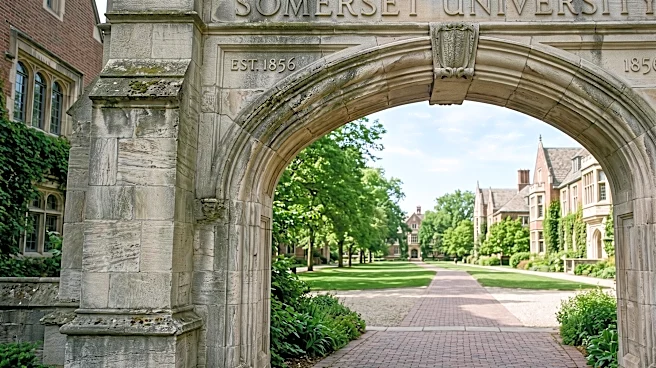
Minnesota colleges and universities are grappling with the projected impact of a demographic 'cliff' – a significant decline in high school graduates that could lead to reduced college enrollment. This narrative suggests that a national dip in birth rates
starting in 2008, following the Great Recession, will result in fewer 18-year-olds entering higher education. While some experts, like Carleton College economics professor Nathan Grawe, foresee a disruptive double-digit enrollment decline, others, such as University of Wisconsin-River Falls political science professor Neil Kraus, dismiss these predictions as overblown or a 'manufactured crisis.' State demographer Susan Brower suggests the term 'cliff' is too dramatic, preferring 'gentle slope.' The University of Minnesota and Minnesota State systems have already indicated a need to 'right-size' or reduce budgets, despite flat enrollment this fall after several years of increases. The debate centers on the severity and timing of this projected decline, with some believing it has already begun, others pointing to 2026, and some asserting it won't happen at all.
Why It's Important?
The potential enrollment decline carries significant implications for the financial stability and operational models of U.S. higher education institutions, particularly in Minnesota. A substantial drop in student numbers could lead to budget cuts, program reductions, and even campus closures, impacting faculty, staff, and local economies. The differing expert opinions create uncertainty for strategic planning, making it difficult for colleges to decide whether to implement drastic changes or maintain current operations. If the 'cliff' materializes as predicted by some, institutions that fail to adapt by expanding access, recruiting diverse student populations, or innovating their educational offerings could face severe financial distress. Conversely, if the decline is less severe, overreactions could lead to unnecessary cuts and a diminished educational landscape. The discussion also highlights broader concerns about the value of a college degree, rising tuition costs, and student debt, all of which influence enrollment trends.
What's Next?
Colleges in Minnesota and across the U.S. will likely continue to monitor demographic trends and adjust their strategies for recruitment and retention. Institutions may focus on attracting a broader range of students, including adult learners and international students, and enhancing financial aid programs to make college more accessible. The University of Minnesota, for instance, is developing an online hub for adult learners and promoting its campuses to in-state students. State demographers and education officials will continue to refine projections, which could influence state-level funding and policy decisions regarding higher education. The ongoing debate may also prompt further discussions about the role of higher education in workforce development and the need for institutions to adapt to changing societal needs and economic realities. The coming years, particularly around 2026, will be critical in determining the accuracy of these varied predictions and the subsequent responses from educational leaders.
Beyond the Headlines
The 'enrollment cliff' debate extends beyond mere numbers, touching upon fundamental questions about the future of higher education in the U.S. It exposes underlying tensions between traditional academic models and the need for adaptability in a rapidly changing world. The argument that the 'cliff' is a 'manufactured crisis' perpetuated by political agendas or companies selling consulting services suggests a deeper ideological struggle over the direction and funding of higher education. This narrative could influence public perception of colleges, potentially eroding trust or exacerbating existing doubts about the value proposition of a degree. Furthermore, the discussion implicitly raises ethical considerations about institutional responsibility to students and communities, especially if closures or significant program cuts become necessary. The long-term implications could include a shift in the landscape of higher education, with a greater emphasis on vocational training, online learning, or more flexible educational pathways to accommodate a diverse and evolving student body.