






What's Happening?
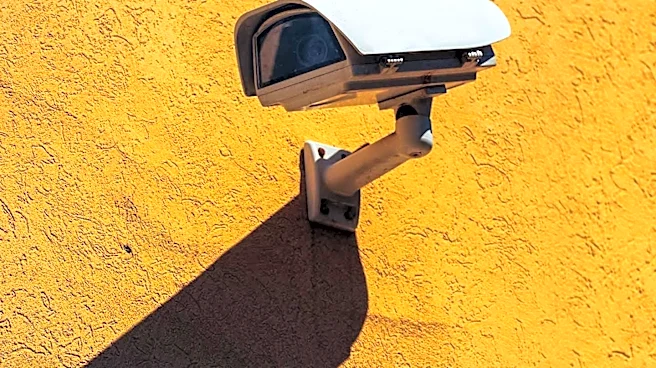
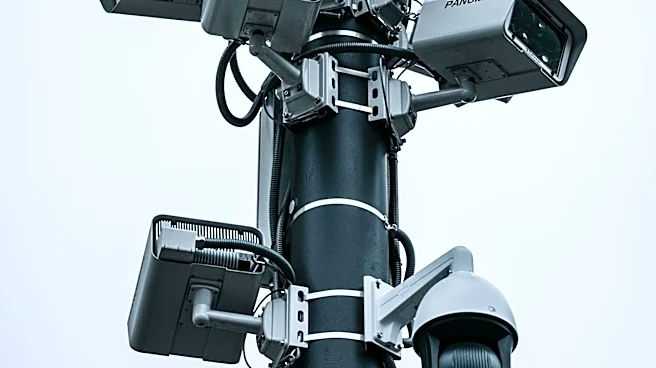
The village of Homer Glen has suspended its Flock camera license plate reader program. This decision follows reports that a Will County sheriff’s deputy was placed on administrative leave due to alleged policy violations related to the use of these cameras.
The suspension was announced days after a contentious meeting where the Will County Board approved the renewal of Flock camera agreements. These agreements permit municipalities, including Mokena, Frankfort, and Manhattan, to utilize county rights of way for their license plate reader cameras. The incident highlights growing concerns regarding the deployment and oversight of surveillance technology by local law enforcement agencies and the potential for misuse of such systems. The village's action indicates a proactive response to address public and internal concerns about privacy and accountability in the use of these advanced surveillance tools.
Why It's Important?
The suspension of Homer Glen's Flock camera program is significant as it underscores the increasing scrutiny and debate surrounding the use of license plate recognition technology by law enforcement across the U.S. While proponents argue these cameras are vital tools for crime prevention and solving, critics raise serious privacy concerns, fearing potential for surveillance overreach and data misuse. This incident could prompt other municipalities to review their own surveillance camera policies and practices, potentially leading to more stringent regulations or even similar suspensions. The involvement of a Will County sheriff’s deputy in alleged policy violations further complicates the issue, highlighting the need for clear guidelines and robust oversight mechanisms to ensure accountability and prevent abuses of power. The outcome of this situation in Homer Glen could set a precedent for how other communities balance public safety with civil liberties in the digital age.
What's Next?
Following the suspension, Homer Glen is expected to conduct a thorough review of its Flock camera program and the alleged policy violations. This investigation will likely determine the future of the program in the village, potentially leading to its permanent termination, reinstatement with revised policies, or the implementation of stricter oversight measures. Other municipalities in Will County and beyond may also re-evaluate their agreements and usage of similar surveillance technologies in light of Homer Glen's decision and the ongoing public discourse. The Will County Board, having recently renewed agreements for other towns, might face pressure to revisit those decisions or implement county-wide standards for the use of license plate readers. The incident could also spur legislative discussions at the state level regarding the regulation of surveillance technology to ensure a balance between public safety and individual privacy rights.
Beyond the Headlines
This event in Homer Glen touches upon deeper societal implications concerning the expansion of surveillance technologies and their impact on civil liberties. The alleged misuse by a law enforcement officer raises fundamental questions about trust in authority and the potential for mission creep in surveillance programs. Beyond the immediate privacy concerns, there are ethical considerations about data retention, who has access to this data, and how it might be used beyond its stated purpose. The incident could fuel broader conversations about the 'smart city' concept and the extent to which technology should be integrated into public spaces for security purposes. It also highlights the ongoing tension between technological advancement and the protection of constitutional rights, prompting communities to critically assess the long-term consequences of pervasive surveillance on democratic values and individual freedoms.