
What's Happening?
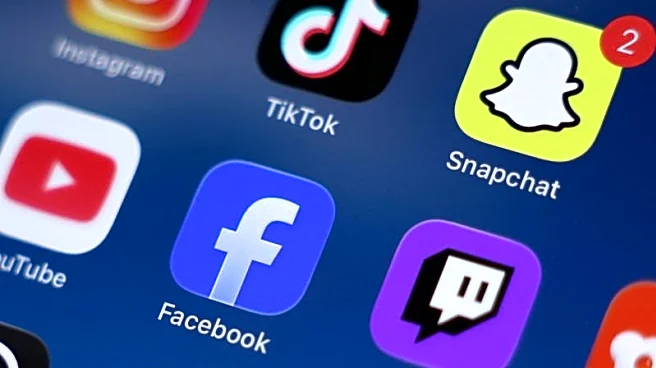
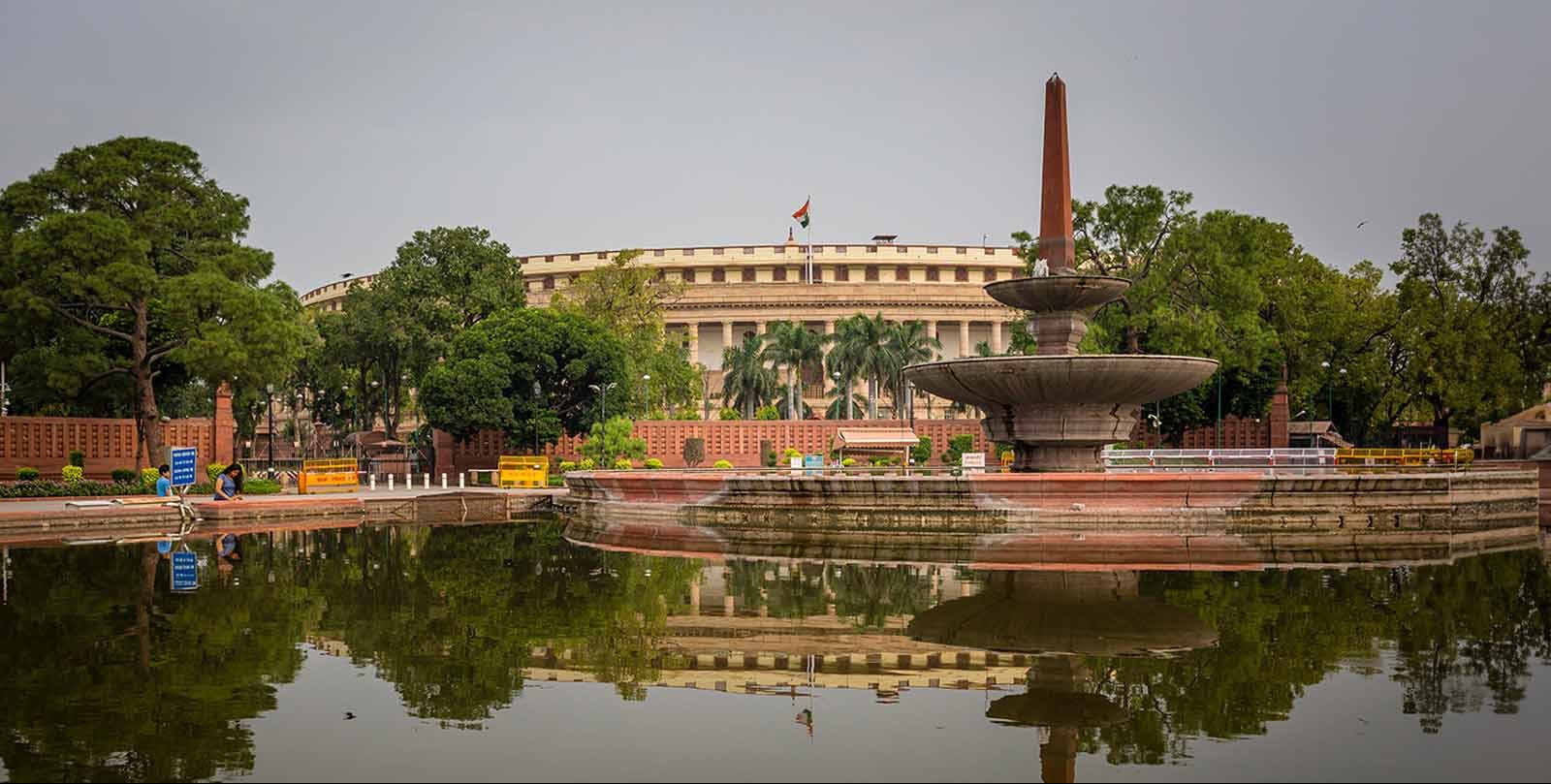
An ally of Indian Prime Minister Narendra Modi, lawmaker L.S.K. Devarayalu, has proposed a bill to ban social media for children under 16. This move is part of a broader global debate on the impact of social media on young
people's health and safety. The proposed Social Media (Age Restrictions and Online Safety) Bill suggests that social media platforms should be responsible for ensuring users' age, and accounts for those under 16 should be disabled. This proposal follows similar actions in other countries, such as Australia, which recently banned social media for children under 16. The bill is a private member's bill, which means it was not proposed by a federal minister but could still influence parliamentary debates and lawmaking.
Why It's Important?
The proposal highlights growing concerns about digital addiction and the role of social media in the lives of young people. India, being the world's second-largest smartphone market with a billion internet users, is a significant player in the global digital landscape. The bill could set a precedent for other countries considering similar measures. It also raises questions about data privacy and the responsibilities of social media companies in protecting young users. If implemented, the bill could impact major tech companies like Meta and YouTube, which rely heavily on the Indian market for growth.
What's Next?
The bill, although not yet public, is expected to spark debates in the Indian parliament. It could lead to increased scrutiny of social media platforms and their policies regarding age verification and data privacy. The Indian government's response to the proposal will be crucial, as it could influence future regulations and the digital economy. Social media companies may need to adjust their strategies to comply with potential new regulations, which could also affect their business models and user engagement strategies.