




What's Happening?
Indonesia is being encouraged to take a more active role in global climate diplomacy, as geopolitical turmoil and economic pressures make the transition to net-zero emissions increasingly urgent. Dino Patti Djalal, Chairman of the Foreign Policy Community
of Indonesia, emphasized the need for Indonesia to leverage its position within the G20 to address climate change, which he described as a 'blind spot' in world affairs. He highlighted the importance of Indonesia's natural carbon sinks and biodiversity in building international cooperation. The call to action comes as the U.S. resumes promoting coal use, impacting global emissions efforts.
Why It's Important?
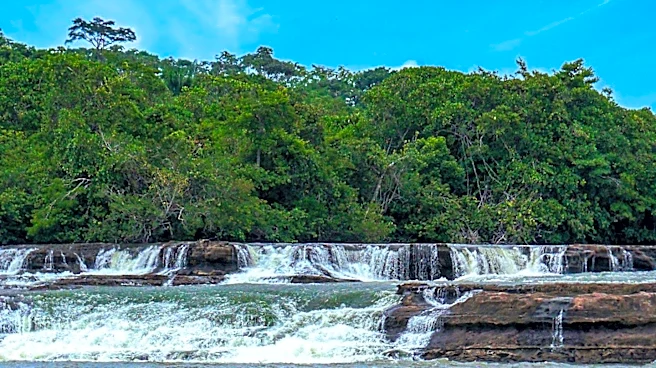
Indonesia's enhanced participation in climate diplomacy could significantly influence global efforts to combat climate change. As a member of the G20, Indonesia has the potential to drive discussions and actions that align with international climate goals. The country's rich biodiversity and tropical forests offer unique leverage in negotiations, potentially attracting international investment in conservation efforts. This move could also pressure the U.S. to reconsider its stance on coal and the Paris Agreement, affecting global emissions strategies and international relations.
What's Next?
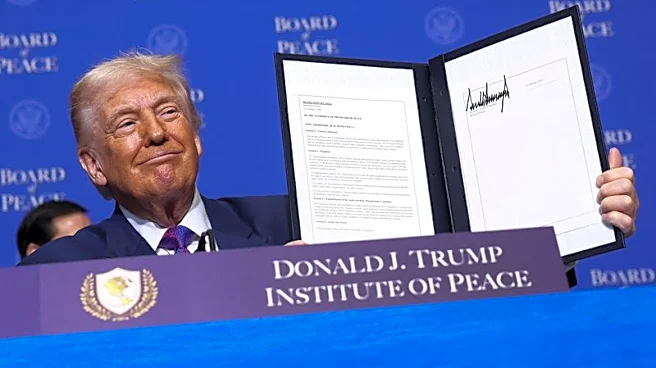
Indonesia is expected to actively participate in COP31 in Antalya, Turkey, where it can further its climate diplomacy efforts. The country may also engage in discussions with the U.S. regarding its withdrawal from the Paris Agreement, aiming to mitigate the negative impacts on global climate initiatives. Additionally, Indonesia could strengthen its commitments to biodiversity protection, fostering international coalitions and encouraging other nations to enhance their environmental efforts.
Beyond the Headlines
Indonesia's push for climate diplomacy highlights the ethical and cultural dimensions of environmental stewardship. By championing biodiversity and natural carbon sinks, Indonesia not only contributes to global climate goals but also preserves its cultural heritage and natural resources. This approach underscores the importance of integrating environmental considerations into geopolitical strategies, potentially leading to long-term shifts in international policy and cooperation.