



What's Happening?
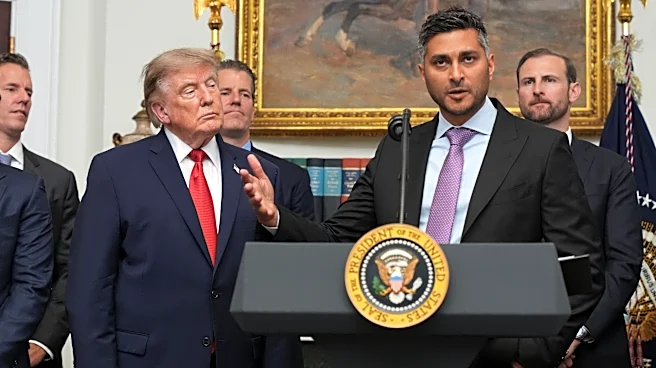
The Senate Banking, Housing, and Urban Affairs Committee has scheduled an Executive Session for Thursday, September 17, 2026, to vote on the nomination of Brian Johnson to be the Director of the Consumer Financial Protection Bureau (CFPB). This vote follows
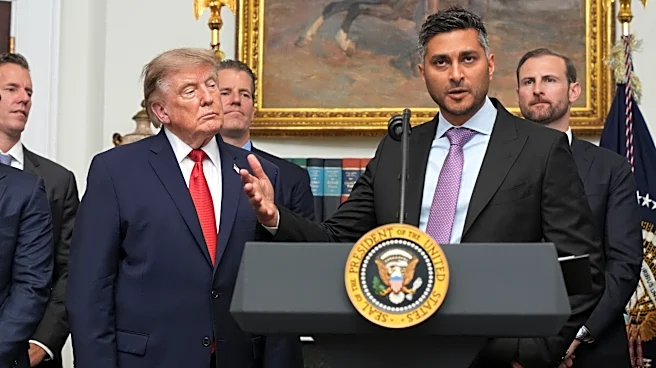
a confirmation hearing for Johnson that took place on July 23. If the Committee approves Johnson's nomination, it will then be reported to the full Senate and placed on the Senate Executive Calendar, awaiting floor consideration. The timing of a full Senate vote will depend on when Senate leadership schedules the nomination, with approximately two weeks available before the scheduled pre-election recess on October 5. Johnson, an executive at Capital One bank and a former CFPB appointee, would not immediately replace Acting Director Mark Paoletta if confirmed. President Trump would first need to complete the appointment, and Johnson would need to take the oath of office.
Why It's Important?
The confirmation of Brian Johnson as the Director of the CFPB is a critical development for the future direction and enforcement priorities of the agency. The CFPB plays a significant role in regulating financial products and services, impacting millions of American consumers. Johnson's background, including his previous role as a CFPB appointee and his current position as a bank executive, suggests a potential continuation or further emphasis on the Trump administration's approach to the agency, which has been characterized by a focus on deregulation and a less adversarial stance towards financial institutions. His confirmation could solidify a shift in the CFPB's operational philosophy, potentially influencing its approach to supervision, enforcement actions, and consumer complaint resolution. This appointment is particularly important given the ongoing debates about the CFPB's authority and effectiveness, as highlighted by recent legislative efforts to limit its scope and concerns raised by consumer advocates regarding its current 'ask-nicely' strategy. The director's leadership will shape how the agency balances consumer protection with industry interests.
What's Next?
If the Senate Banking, Housing, and Urban Affairs Committee approves Brian Johnson's nomination on September 17, the next crucial step will be for the full Senate to schedule a floor vote. Given the Senate's schedule, there will be a limited window of approximately two weeks before the pre-election recess on October 5 for this vote to occur. If confirmed by the Senate, President Trump would then formally appoint Johnson, who would subsequently take the oath of office to assume the directorship. The confirmation process could involve a cloture vote before the final confirmation vote, depending on Senate procedures. The outcome of this nomination will determine the permanent leadership of the CFPB and will likely set the tone for the agency's regulatory activities and consumer protection efforts for the foreseeable future. Stakeholders, including financial institutions, consumer advocacy groups, and the public, will be closely watching the confirmation process and Johnson's subsequent actions as director.
Beyond the Headlines
The process of confirming a new CFPB Director extends beyond a simple personnel change; it reflects the broader political and ideological landscape concerning financial regulation. The CFPB has been a focal point of contention since its inception, with debates often centering on its structure, funding, and the extent of its powers. A director's appointment can significantly alter the agency's interpretation and enforcement of existing laws, influencing everything from mortgage lending to credit card practices. Johnson's confirmation could signal a more industry-friendly regulatory environment, potentially leading to fewer enforcement actions and a greater emphasis on collaboration with financial firms. This could have long-term implications for consumer confidence in financial markets and the perceived effectiveness of federal oversight. Conversely, a less aggressive CFPB might be seen by some as reducing regulatory burdens, potentially fostering economic growth. The political battle over this nomination underscores the deep divisions over the role of government in the economy and the balance between protecting consumers and promoting business interests.