


What's Happening?
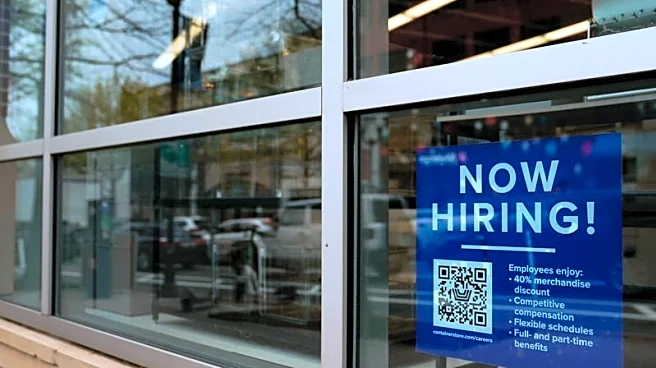
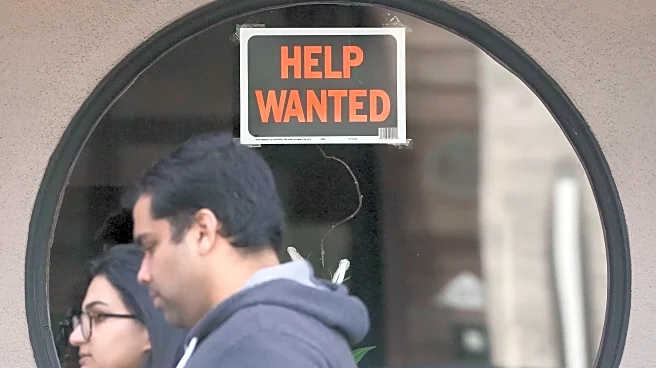
A recent survey by Monster reveals that U.S. workers are experiencing significant burnout due to a stagnant job market and rising inflation. The survey indicates that only 43% of workers plan to search for new jobs in 2026, a sharp decline from 93% the
previous year. This trend is attributed to a 'hiring recession,' with 2025 marking the worst year for job gains outside of a recession since 2003. Many workers are opting to stay in their current positions, a phenomenon known as 'job hugging,' due to fears of a challenging job market. Additionally, 52% of those surveyed expect an increase in nationwide layoffs in 2026, while 40% believe the job market will worsen, and another 40% do not anticipate any improvement.
Why It's Important?
The current job market conditions have significant implications for the U.S. economy and workforce. The reluctance to switch jobs could stifle career growth and wage increases, impacting consumer spending and economic mobility. The trend of workers turning to side hustles to supplement income highlights the inadequacy of current wages to keep up with inflation. This situation could lead to increased financial stress and reduced job satisfaction, affecting productivity and mental health. Employers may face challenges in attracting and retaining talent, potentially leading to a less dynamic and innovative workforce.
What's Next?
As workers continue to face economic pressures, the trend of side hustles is likely to grow, potentially reshaping the traditional employment landscape. Employers may need to reassess compensation and benefits to retain talent. Policymakers might consider interventions to stimulate job growth and address inflation. The job market's trajectory will depend on broader economic conditions, including inflation rates and potential policy changes aimed at boosting employment.