




What's Happening?
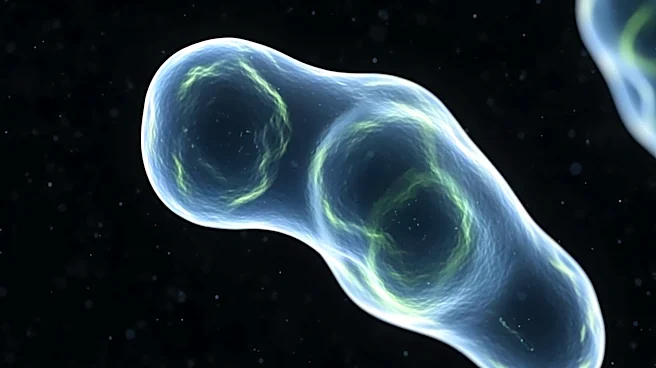
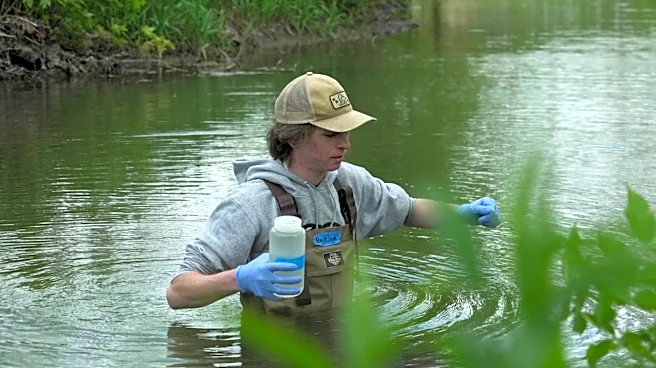
Environmental and public health researchers are raising alarms about the increasing threat posed by free-living amoebae, a group of microbes found in water and soil. These organisms, while mostly harmless, include species like Naegleria fowleri, known
as the brain-eating amoeba, which can cause deadly infections. The concern is heightened by climate change, aging water infrastructure, and inadequate monitoring systems, which could facilitate the spread of these amoebae. The organisms are resilient, surviving high temperatures and strong disinfectants, and can harbor other pathogens, potentially spreading antibiotic resistance.
Why It's Important?
The spread of dangerous amoebae poses significant public health risks, particularly as global temperatures rise, potentially expanding their habitat. This could lead to more frequent outbreaks of severe infections, impacting public health systems and increasing healthcare costs. The ability of amoebae to shield other pathogens complicates water safety, necessitating improved surveillance and water treatment technologies. The issue underscores the need for integrated health and environmental strategies to mitigate risks and protect public health.
What's Next?
Researchers advocate for a coordinated One Health approach, integrating human health, environmental science, and water management to address the threat of amoebae. This includes enhancing surveillance, developing faster diagnostic tools, and advancing water treatment technologies. As climate change continues to alter environmental conditions, water managers and health officials may need to prepare for increased risks and implement proactive measures to prevent infections.