






What's Happening?
Hawaii lawmakers have passed a bill aimed at limiting corporate political spending, which now awaits the governor's decision. This legislative move seeks to redefine corporations in a way that prevents them from spending on elections, a response to the Supreme
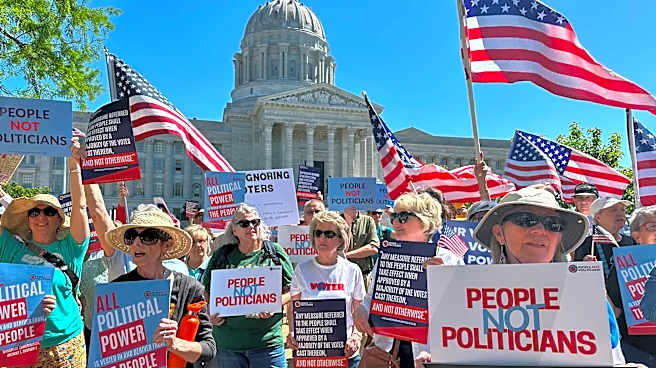
Court's 2010 Citizens United ruling that allowed unlimited corporate and union election spending. Meanwhile, in Montana, a volunteer group is gathering signatures to put a similar measure on the ballot for voters in November. The initiative, known as The Montana Plan, aims to redefine corporate powers to curb political spending. While supporters argue that these measures address public discontent with corporate influence in politics, detractors claim that states cannot bypass Supreme Court decisions.
Why It's Important?
The efforts in Hawaii and Montana represent a significant pushback against the influence of corporate money in U.S. politics, a contentious issue since the Citizens United ruling. If successful, these measures could set a precedent for other states, potentially reshaping the landscape of political campaign financing. The initiatives reflect a broader public sentiment against 'dark money' in politics, which has been a growing concern due to its lack of transparency. However, the legal challenges these measures might face could lead to significant court battles, testing the limits of state power versus federal judicial rulings. The outcome could influence future legislative efforts across the country.
What's Next?
Hawaii Governor Josh Green has until June 30 to decide whether to sign the bill into law. If enacted, it could face legal challenges, potentially escalating to higher courts. In Montana, the success of the ballot initiative depends on gathering sufficient signatures and voter approval in November. Both states' actions could prompt reactions from political leaders, corporations, and advocacy groups, potentially leading to a national debate on the role of corporate money in politics. The measures' legal viability will likely be tested, with implications for future state-level attempts to regulate political spending.