





What's Happening?
Doctors Without Borders/Médecins Sans Frontières (MSF) is actively working in Kiribati to combat the severe impacts of climate change on water security and public health. The island nation, particularly areas like Abaiang, faces critical challenges due
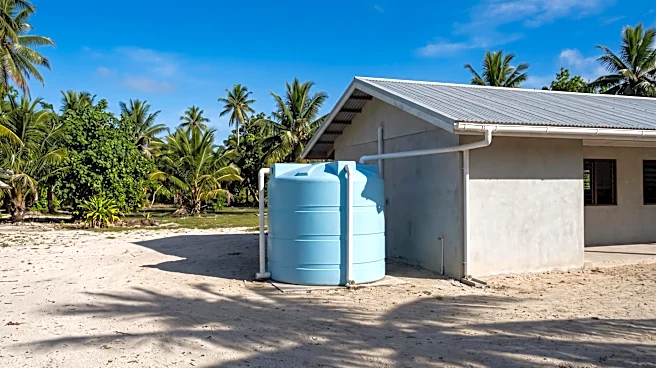
to saltwater intrusion, land erosion, and diminished freshwater sources, which have led to an increased risk of waterborne diseases and skin infections. MSF's water, sanitation, and hygiene team in Tabontebike is reinforcing water infrastructure in schools and clinics, protecting groundwater, improving rainwater harvesting and storage, and upgrading sanitation facilities. This effort is part of a broader climate-sensitive disease approach, conducted in close collaboration with local health workers and the Ministry of Health and Medical Services, to strengthen climate-resilient health systems. The organization also addresses non-communicable diseases, especially among women and children, and implements a unique healthcare waste management project.
Why It's Important?
The situation in Kiribati highlights the urgent global health implications of climate change, particularly for vulnerable island nations. The lack of a public water system forces communities to rely on shallow groundwater wells and rainwater collection, sources that are increasingly compromised by rising sea levels and changing weather patterns. This directly threatens public health, making children, the elderly, and pregnant women particularly susceptible to climate-linked health concerns. MSF's intervention is critical not only for providing immediate relief but also for building long-term resilience in health systems. By focusing on water infrastructure and sanitation, MSF addresses a fundamental determinant of health, demonstrating how humanitarian aid must adapt to environmental challenges. The project also serves as a model for integrating climate adaptation into health strategies, which is vital for other regions facing similar environmental threats.
What's Next?
MSF will continue its collaborative efforts with local health workers and the Ministry of Health and Medical Services in Kiribati to further strengthen climate-resilient health systems. This will involve ongoing reinforcement of water infrastructure, sustained protection of groundwater sources, and continuous improvement of rainwater harvesting and storage methods. The organization will also persist in upgrading sanitation facilities to mitigate the risk of waterborne diseases. Furthermore, MSF plans to expand its climate-sensitive disease approach, which includes addressing non-communicable diseases and managing healthcare waste. The long-term goal is to ensure that communities in Kiribati are better equipped to withstand the health impacts of climate change, potentially serving as a blueprint for similar interventions in other climate-vulnerable regions globally.
Beyond the Headlines
The crisis in Kiribati underscores the disproportionate impact of climate change on communities with minimal contribution to global emissions. It raises profound ethical questions about global responsibility and climate justice. MSF's work goes beyond medical intervention; it is a testament to the interconnectedness of environmental health and human well-being. The challenges faced by Kiribati, such as forced abandonment of villages due to saltwater intrusion, illustrate the potential for mass displacement and the loss of cultural heritage. This situation calls for increased international cooperation and funding for climate adaptation and mitigation efforts, particularly in small island developing states. MSF's integrated approach, combining medical care with water and sanitation improvements, offers a holistic model for addressing complex humanitarian crises driven by environmental degradation, emphasizing the need for sustainable solutions and proactive measures to protect vulnerable populations.