







What's Happening?
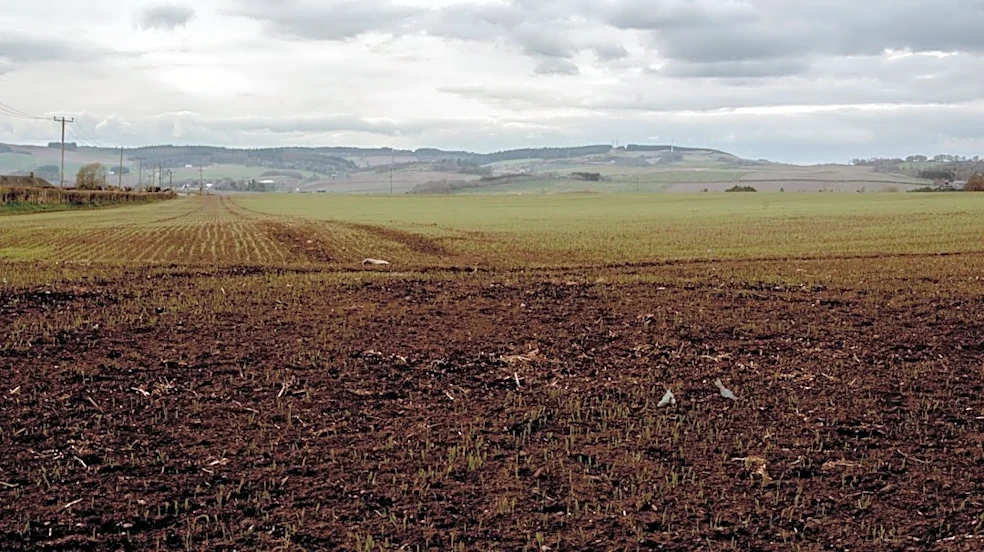
In the early years of American agriculture, settlers often prioritized expanding into new land over conserving existing soil fertility, believing that additional acreage would always be available. This mindset led to farming practices that depleted soil nutrients.
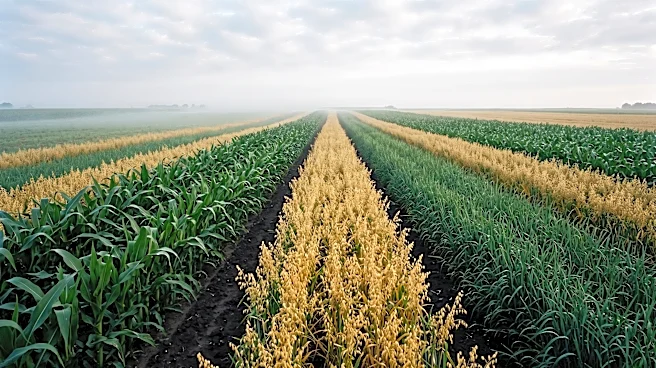
However, by the 1880s, a shift occurred as Americans recognized the finite nature of farmland. Farmers began adopting practices like crop rotation, alternating crops such as corn, oats, and hay instead of planting the same crop repeatedly. This method helped reduce the buildup of crop diseases and insect pests, which thrive when the same crop is grown continuously. Additionally, crop rotation maintained soil fertility by varying nutrient requirements, as different crops extract different nutrients from the soil. This diversification marked a move towards more sustainable agricultural resource management.
Why It's Important?
The adoption of crop rotation was a pivotal development in American agriculture, fundamentally altering how farmers approached land management. This shift from an exploitative model to a more sustainable one was crucial for the long-term viability of agricultural production in the U.S. By preserving soil health, farmers ensured continued productivity, which is vital for national food security and economic stability. The recognition that farmland was a limited resource encouraged a more responsible stewardship of natural assets, impacting future generations of farmers and consumers. This historical change laid the groundwork for modern sustainable farming practices, demonstrating the economic and environmental benefits of proactive soil management and resource conservation.
What's Next?
The historical shift towards crop rotation established a precedent for ongoing innovation and adaptation in American agriculture. Future developments will likely continue to focus on enhancing soil health, optimizing resource use, and integrating new technologies to further improve sustainability. This includes exploring advanced crop rotation schemes, cover cropping, precision agriculture, and other regenerative practices. The lessons learned from the 1880s regarding the importance of soil fertility will continue to guide agricultural policy and research, aiming to balance productivity with environmental stewardship. Stakeholders, including farmers, agricultural scientists, and policymakers, will likely collaborate to develop and implement strategies that ensure the resilience and productivity of U.S. agricultural systems in the face of evolving environmental and economic challenges.
Beyond the Headlines
The historical transition to crop rotation reflects a deeper cultural and economic evolution in American society—a move from viewing natural resources as inexhaustible to recognizing their finite nature and the necessity of conservation. This change in agricultural practice highlights the ethical responsibility of land stewardship and its long-term implications for societal well-being. It underscores how economic pressures, such as limited available land, can drive significant shifts in human behavior and policy. The principles established during this period—that sustainable practices are essential for long-term prosperity—continue to resonate today in discussions about climate change, food systems, and environmental protection, demonstrating the enduring impact of historical agricultural decisions on contemporary challenges.