


What's Happening?
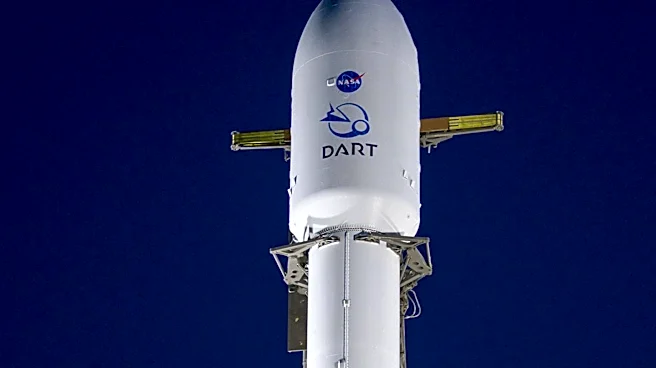
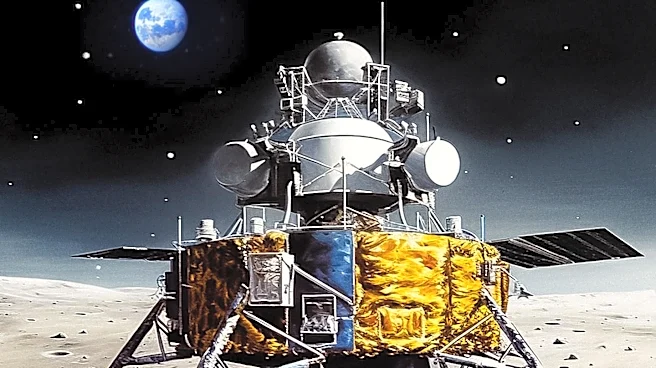
The South Korea space agency has released images of the Moon following the impact of debris from a SpaceX Falcon 9 rocket. The rocket, which had been in orbit since January 2025, was part of a mission to send lunar landers into space. After completing
its mission, the upper stage of the rocket was left in a long, looping orbit that eventually led to its collision with the Moon. The impact, which occurred at a speed of approximately 5,400 mph, was too faint to be observed by amateur astronomers but was captured by larger observatories. The event has raised concerns about the increasing amount of space debris and its potential impact on future space missions.
Why It's Important?
The incident highlights the growing issue of space debris, which poses a risk to both current and future space missions. As more objects are launched into space, the likelihood of collisions increases, potentially creating more debris and complicating space exploration efforts. The impact of the SpaceX rocket debris on the Moon serves as a reminder of the need for effective space debris management and mitigation strategies. This is particularly important as space agencies and private companies continue to expand their activities beyond Earth's orbit.
What's Next?
Space agencies and private companies may need to collaborate on developing and implementing strategies to manage space debris. This could include designing spacecraft with end-of-life disposal plans, improving tracking and monitoring systems, and exploring technologies for debris removal. The international community may also consider establishing regulations and guidelines to address the issue. As space exploration continues to advance, addressing the challenge of space debris will be crucial to ensuring the safety and sustainability of future missions.