







What's Happening?
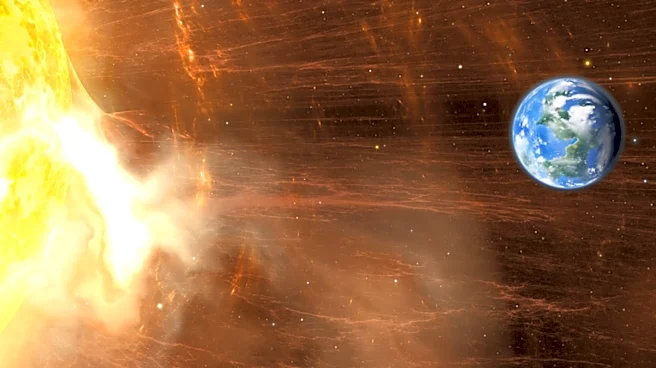
A new study suggests that the potential impacts of extreme solar storms on Earth may be greater than previously thought. Researchers have found that the apparent upper limit on Earth's response to the strongest solar storms might be due to measurement
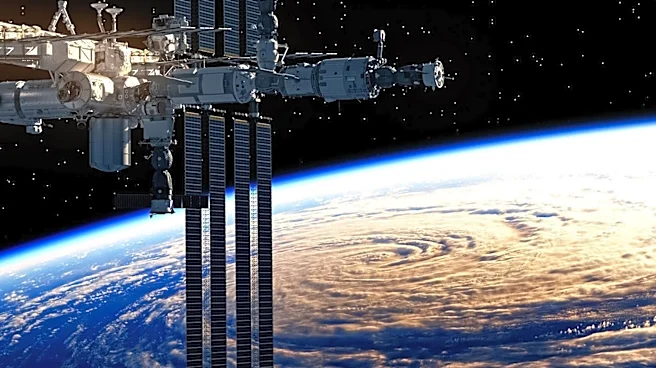
artifacts rather than actual physical limits. This implies that rare 'once-in-a-thousand-year' geomagnetic storms could have more severe effects on modern technology, such as satellites, power grids, and communications systems, than current models predict. The study highlights the need to reassess how these rare events are estimated, especially as society becomes increasingly reliant on vulnerable technologies.
Why It's Important?
Understanding the true potential impact of extreme solar storms is crucial for preparing and protecting modern infrastructure. As society becomes more dependent on technology, the risks associated with geomagnetic disturbances increase. Power grids, communication networks, and satellite operations could face significant disruptions during such events, leading to widespread economic and social consequences. The study calls for improved monitoring and modeling of solar storms to better predict and mitigate their effects, ensuring the resilience of critical systems against these natural phenomena.
What's Next?
The study suggests that scientists need to refine their methods for measuring and predicting the impacts of solar storms. This includes using data from spacecraft closer to Earth to obtain more accurate readings of solar wind interactions with the planet's magnetic field. As the sun approaches the peak of its solar cycle, the frequency of solar flares and coronal mass ejections is expected to increase, necessitating heightened vigilance and preparedness. Policymakers and industry leaders may need to consider investing in infrastructure upgrades and developing contingency plans to mitigate potential disruptions from future solar storms.