






What's Happening?
The nonprofit sector is being called to action to bridge the gap between knowledge and practice in advocating for rights, particularly in the face of federal incursions and law enforcement actions. The article highlights the development of 'Sanctuary
Plans' during the Trump administration, which were designed to prepare organizations for worst-case scenarios, including data breaches and physical invasions. These plans aimed to protect not only undocumented staff but also youth, program participants, and marginalized communities. The emphasis is on moving beyond intellectual understanding of rights to practical, trauma-informed approaches that prepare individuals and organizations to act effectively under stress. This includes role-playing and other activities that simulate real-world confrontations with law enforcement, aiming to counteract fear and ensure readiness.
Why It's Important?
This call to action is significant as it addresses the limitations of relying solely on knowledge of rights without practical application. In the U.S., where federal actions and law enforcement can pose threats to marginalized communities, the ability to act decisively and effectively is crucial. The nonprofit sector, often at the forefront of social justice movements, must equip itself with strategies that go beyond traditional training. This shift is essential for protecting communities from potential abuses of power and ensuring that rights are not just theoretical but actionable. The emphasis on trauma-informed approaches highlights the need for preparedness in the face of fear and confusion, which can undermine the ability to exercise rights effectively.
What's Next?
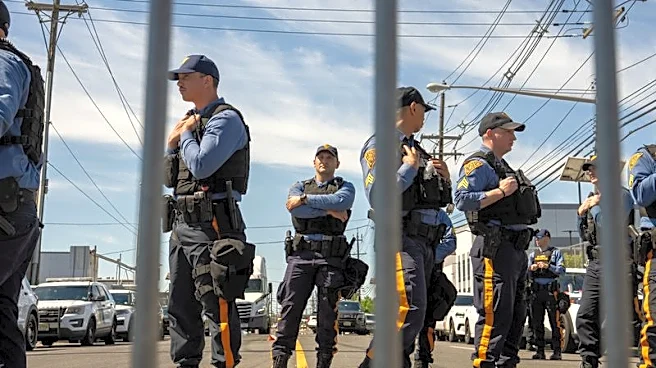
Organizations are encouraged to continue developing and refining their preparedness plans, incorporating lessons from past experiences such as the George Floyd uprisings. This includes building networks of communication and support within communities to respond quickly to federal actions. The ongoing situation at Delaney Hall, where detainees are on hunger strike, underscores the urgency of these efforts. Nonprofits and community leaders must advocate for systemic changes that address the root causes of these issues, while also preparing for immediate responses to protect vulnerable populations.
Beyond the Headlines
The deeper implication of this development is the challenge to the nonprofit sector to rethink its role in social movements. Moving beyond 'non-profitization,' which can demobilize movements by prioritizing academic solutions over grassroots action, is crucial. This shift requires a cultural change within organizations, emphasizing the importance of lived experience and practical readiness over theoretical knowledge. The focus on trauma-informed approaches also highlights the need for emotional and psychological preparedness, recognizing that fear can be a significant barrier to action.