



What's Happening?
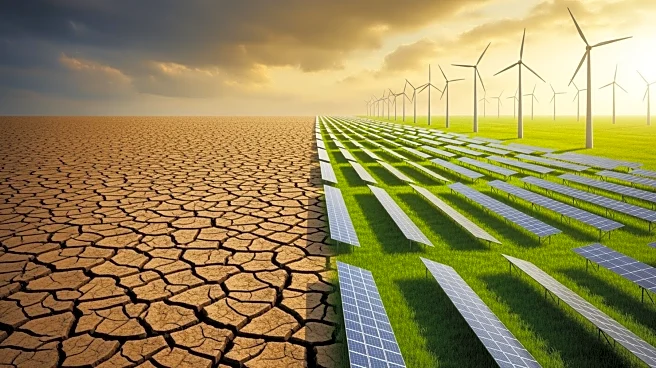
The ongoing war in Iran is being viewed as a catalyst for a global shift away from fossil fuels towards renewable energy sources. The conflict has highlighted the vulnerabilities of relying on fossil fuels, with disruptions in the Strait of Hormuz affecting
global oil and gas supplies. The International Energy Agency has called the situation the greatest global energy security threat in history. As fuel shortages and price spikes loom, the transition to renewable energy is gaining momentum as a more sustainable and secure alternative.
Why It's Important?
The Iran war underscores the geopolitical risks associated with fossil fuel dependency and the urgent need for a transition to renewable energy. The conflict has disrupted global energy markets, leading to economic instability and highlighting the fragility of current energy systems. The shift towards renewables offers a path to greater energy security, reduced environmental impact, and long-term economic resilience. This transition is critical for addressing climate change and ensuring a sustainable future.
What's Next?
The global energy landscape is likely to undergo significant changes as countries accelerate their transition to renewable energy sources. Governments may implement policies to support clean energy development and reduce reliance on fossil fuels. The situation could also drive innovation in energy technologies and infrastructure, fostering new economic opportunities. International cooperation will be essential to manage the transition and address the challenges of energy security and climate change.
Beyond the Headlines
The transition to renewable energy presents both opportunities and challenges, including the need to address social and economic impacts on communities reliant on fossil fuel industries. The shift also raises questions about the geopolitical implications of a new energy paradigm and the potential for resource conflicts over critical materials for renewable technologies. The situation highlights the interconnectedness of energy, security, and environmental sustainability in shaping the future global order.