







What's Happening?
Medable, a cloud-based eClinical software platform, is facilitating decentralized clinical trials (DCTs) and hybrid clinical studies by digitizing protocol workflows. This platform enables remote electronic informed consent (eConsent), electronic clinical outcome
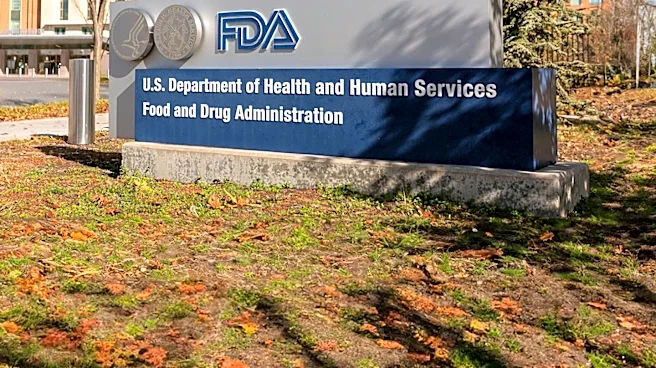
assessments (eCOA/ePRO), and virtual patient visits, aligning with the U.S. Food and Drug Administration (FDA) Guidance for Industry on Conducting Clinical Trials With Decentralized Elements, published in September 2024. Medable's system ensures compliance with FDA 21 CFR Part 11 for electronic records and signatures, as well as Good Clinical Practice (GCP) data integrity standards. The platform serves sponsors, contract research organizations (CROs), site investigators, coordinators, study participants, and local healthcare providers, allowing for remote data capture and management through mobile apps, web portals, and connected devices. This approach aims to reduce the need for participants to visit physical clinics for every aspect of a trial, while maintaining rigorous regulatory standards.
Why It's Important?
The shift towards decentralized clinical trials, powered by platforms like Medable, is critical for the U.S. pharmaceutical and healthcare sectors. It addresses significant challenges in traditional trial models, such as participant burden, geographic limitations, and the high costs associated with site-centric operations. By enabling remote participation, DCTs can broaden access to clinical trials, potentially increasing diversity among participants and accelerating drug development. The platform's emphasis on FDA compliance, including verified identity checks, comprehension evaluation tools, and legally binding digital signatures for eConsent, ensures that regulatory standards for data integrity and patient safety are upheld. This innovation can lead to more efficient and cost-effective trials, benefiting pharmaceutical companies by speeding up market access for new therapies and improving patient outcomes by making trials more accessible and less disruptive to daily life.
What's Next?
The adoption of platforms like Medable is expected to continue growing as the FDA's guidance clarifies the regulatory landscape for decentralized elements in clinical trials. Future developments will likely focus on further integrating digital health technologies (DHTs) and medical devices for continuous biomarker data ingestion, enhancing system interoperability with existing clinical research infrastructure, and refining security protocols to protect sensitive data. Organizations will need to ensure their use of such platforms adheres to evolving regulations, including the HIPAA Security Rule updates and FDA expectations for AI in drug development. The industry will also need to address common misconceptions, such as the idea that decentralized trials eliminate research sites entirely or relax regulatory standards, by emphasizing hybrid models and the continued importance of principal investigator oversight and robust data validation.
Beyond the Headlines
The broader implications of decentralized clinical trials extend to the fundamental structure of medical research and patient care. By making trials more patient-centric, these platforms could empower individuals to take a more active role in their health management and contribute to scientific advancement from their homes. This shift also necessitates a re-evaluation of supply chain logistics for investigational medicinal products and specimen collection, requiring new coordination with direct-to-participant shipping and local laboratory networks. Furthermore, the increased reliance on digital platforms raises questions about digital literacy and equitable access to technology among diverse patient populations, ensuring that decentralization does not inadvertently create new barriers to participation for underserved communities. The long-term success of DCTs will depend on balancing technological innovation with ethical considerations, regulatory compliance, and inclusive design.