




What's Happening?
A new study published in Communications Earth & Environment provides compelling evidence that extensive deforestation in the Amazon rainforest is directly linked to significantly hotter and drier conditions in the region. Researchers utilized satellite
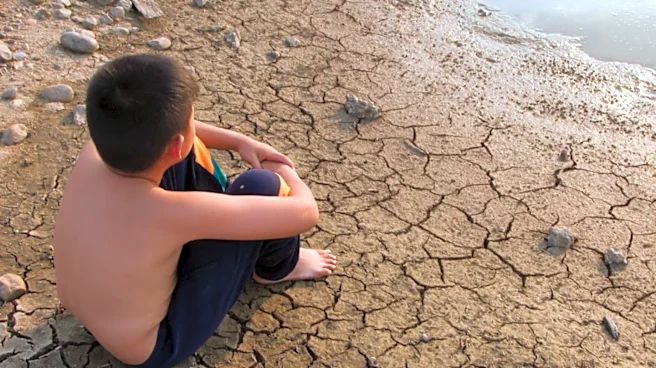
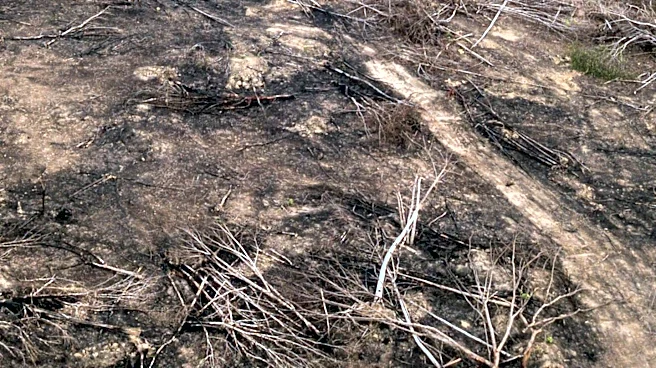
observations to find that areas where more than 40% of the original forest cover has disappeared experienced dry-season surface temperatures approximately 5.4°F (3°C) higher, and rainfall approximately 25% lower, compared to neighboring, heavily forested regions. In some extensively cleared areas, land surface temperatures were at least 7.2°F (4°C) higher. The study also noted an average of 11 fewer rainy days in areas with less than 60% forest cover. These changes are attributed to the disruption of the forest's role in releasing water vapor into the atmosphere, which is crucial for cloud formation and rainfall.
Why It's Important?
This research is critical because it demonstrates a direct, measurable impact of deforestation on regional climate patterns, moving beyond general climate change discussions to specific local consequences. The Amazon's ability to regulate its own climate is vital for its biodiversity and the global climate system. Hotter and drier conditions increase the vulnerability of the remaining forest to drought, degradation, and wildfires, potentially leading to a self-reinforcing cycle of destruction. The findings suggest that some heavily deforested areas are beginning to resemble savanna environments, indicating a potential ecological transition with profound implications for the ecosystem. This shift could impact agricultural productivity, water availability, and the survival of countless species, affecting both local communities and global environmental stability.
What's Next?
The findings reinforce the urgency of protecting remaining forests and restoring cleared land in the Amazon. Scientists emphasize that such actions could improve the region's resilience to climate change. Continued monitoring of these climatic shifts will be essential to track the progression of these changes and inform conservation strategies. The research highlights the need for policies that not only curb deforestation but also promote reforestation and sustainable land management practices to mitigate the localized climate impacts. Understanding these regional climate feedbacks is crucial for developing effective long-term conservation plans for the Amazon.
Beyond the Headlines
The study's implications extend beyond the immediate environmental concerns, touching upon the fundamental understanding of how ecosystems interact with the atmosphere. The Amazon rainforest is not merely a passive recipient of climate change but an active participant in shaping regional weather. The observed changes in temperature and rainfall suggest a potential tipping point where the forest's ability to regenerate and sustain itself is compromised. This could lead to irreversible ecological shifts, transforming a lush rainforest into a drier, more open landscape. Such a transformation would have cascading effects on global biodiversity, carbon cycles, and indigenous communities, highlighting the ethical and cultural dimensions of rainforest preservation. The research underscores that forests are not just carbon sinks but also critical regulators of surface temperatures, atmospheric moisture, and rainfall.