



What's Happening?
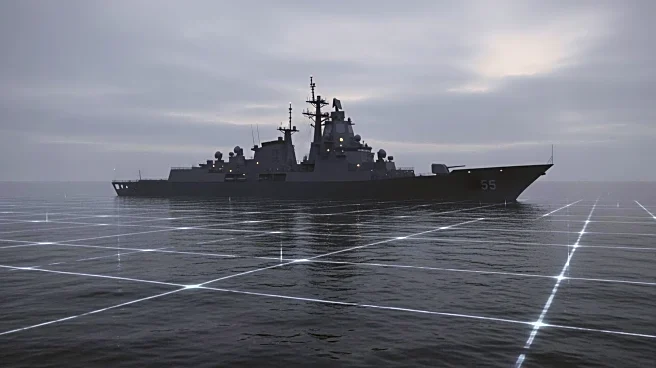
The USS Abraham Lincoln, a U.S. Navy aircraft carrier, has implemented a digital blackout as it navigates the Arabian Sea, bound for Iran. This measure, known as 'River City 1', is the Navy's highest level of digital containment, designed to prevent any
digital emissions that could reveal the ship's location or operational intent. The blackout involves disabling Wi-Fi and placing all non-essential devices into 'Airplane Mode' to eliminate the 'digital exhaust' created by the crew's electronic devices. This precaution is taken to avoid detection by Iranian intelligence, which could track the ship through the cluster of GPS signals emitted by devices such as smartwatches and smartphones.
Why It's Important?
The digital blackout of the USS Abraham Lincoln highlights the evolving nature of military operations in the digital age. As electronic devices become ubiquitous, they pose new security challenges, particularly in military contexts where operational secrecy is paramount. The ability to track a ship via its digital footprint underscores the need for stringent digital security measures. This development is significant for U.S. military strategy, as it demonstrates the lengths to which the Navy must go to protect its assets from adversaries who can exploit commercial data for intelligence purposes. The move also reflects broader concerns about cybersecurity and the vulnerabilities introduced by modern technology.
What's Next?
The USS Abraham Lincoln's digital blackout is likely to continue as it operates in sensitive regions. The Navy may further refine its digital containment strategies to address the challenges posed by personal electronic devices. This situation could prompt other branches of the military to reassess their own digital security protocols. Additionally, there may be increased scrutiny on the use of personal devices by military personnel, potentially leading to new regulations or guidelines to mitigate security risks. The broader implications for military operations and cybersecurity policies will likely be a topic of ongoing discussion among defense officials.