


What's Happening?
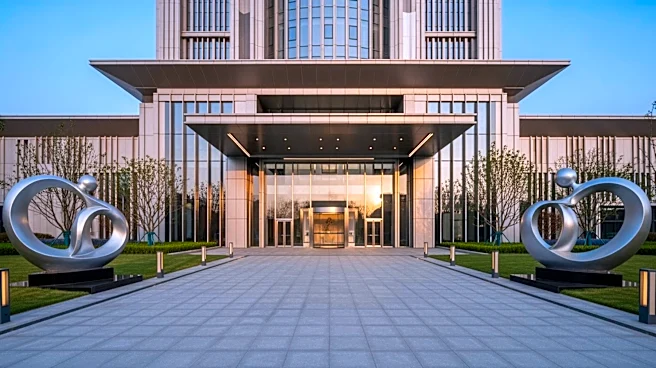
The Obama Presidential Center, which opened to the public on June 19, is set to release a new batch of tickets for its museum starting July 8. The museum, located in the Jackson Park neighborhood, is the only part of the 19.3-acre campus that requires
a ticket for entry. The initial round of tickets, available from May through November 30, sold out quickly, reflecting significant public interest. Valerie Jarrett, CEO of the Obama Foundation, highlighted the strong demand as a testament to the public's desire for spaces that foster community and connection. The museum offers timed, nonrefundable tickets priced at $30, with discounts and select free days for Illinois residents. The rest of the center's grounds, including a public library branch, athletic center, and dining facilities, remain open to the public without charge.
Why It's Important?
The Obama Presidential Center serves as a significant cultural and educational hub, drawing visitors from across the nation. The high demand for museum tickets underscores the public's interest in engaging with the legacy of President Obama and the broader historical and cultural narratives presented at the center. This interest not only highlights the center's role in promoting civic engagement and education but also boosts local tourism and economic activity in the surrounding area. The center's ability to attract visitors can have a positive ripple effect on local businesses and community initiatives, reinforcing its importance as a landmark institution.
What's Next?
With the next round of tickets going on sale, the Obama Foundation is preparing for continued high visitor turnout. The presale for Founding Members begins on July 1, offering early access to tickets. As the museum remains a focal point of the center, ongoing efforts to manage visitor flow and enhance the visitor experience will be crucial. The foundation may also explore additional programming and events to further engage the public and expand its educational outreach. Stakeholders, including local government and community organizations, will likely continue to collaborate with the center to maximize its impact on the community.