

What's Happening?
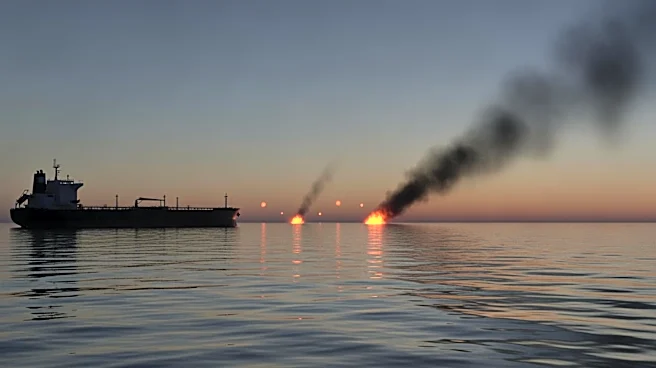
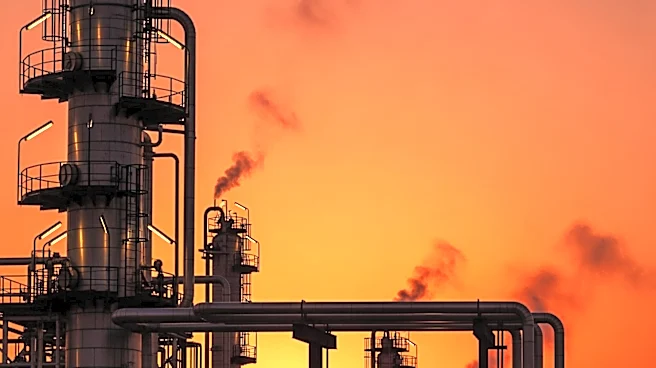
The ongoing U.S.-Iran conflict has significantly impacted global fuel flows, with refining margins remaining elevated as product prices outpace crude oil. This situation highlights a bottleneck in refining capacity rather than crude supply. The disruption
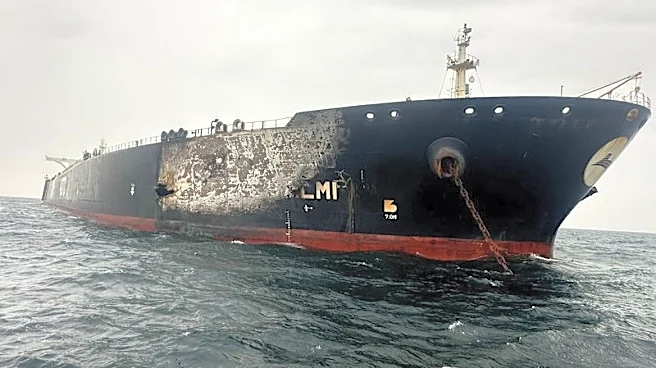
has led to longer shipping distances, higher freight costs, and tighter fuel availability in key demand centers. As Middle East supply becomes less reliable, refiners and traders are redrawing routes, affecting Europe and Asia's fuel procurement strategies. The United States is increasingly acting as a swing supplier, filling gaps in diesel and gasoline markets, but domestic constraints limit its capacity to meet global demand.
Why It's Important?
The conflict underscores the fragility and interconnectedness of global energy systems, shifting the focus from crude oil access to refined product availability. This shift has significant implications for energy security, as it exposes vulnerabilities in infrastructure and logistics. The changes in trade flows may persist even if tensions ease, potentially leading to a more complex and regionalized energy market. For investors and policymakers, the structural changes in the energy market require adaptation to new trading patterns and supplier relationships, which could have long-term economic impacts.
What's Next?
The future of global fuel flows depends on the duration of the U.S.-Iran conflict and the persistence of current trade shifts. Even if hostilities decrease, the newly established routes and supplier relationships may not fully revert, requiring markets to adapt to a new normal. Policymakers and industry leaders must prepare for ongoing volatility and potential disruptions in energy supply chains.