








What's Happening?
Sterling Heights city leaders are currently debating whether to continue using Flock Safety license plate-reading cameras. The discussion, which took place during a City Council meeting lasting over four hours, saw significant public input, with many
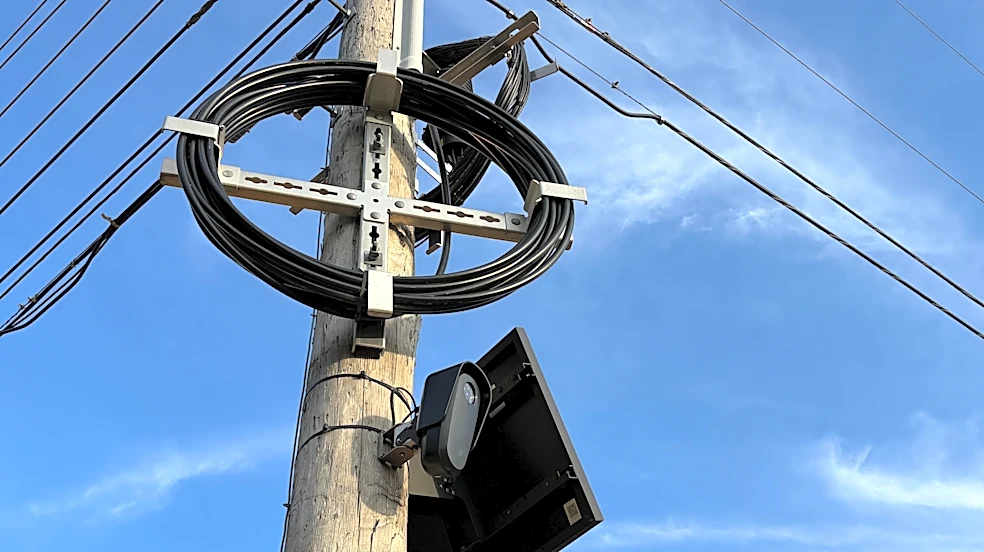
residents expressing concerns about privacy and the potential misuse of vehicle-tracking data. The city currently operates 23 Flock cameras across 19 locations. The existing contract, which costs just over $84,000 annually and is funded by state criminal forfeiture funds, is a two-year agreement with a two-year renewal option. While some residents supported the technology, the majority of public comments opposed its continued use. Sterling Heights Police Chief Andrew Satterfield has stated that safeguards are in place to prevent misuse, including monthly audits through Flock’s Audit Assist program and a public transparency portal that details data retention and search frequency. The system retains vehicle data for 30 days and recorded 362 searches in the previous 30 days. The police department has also limited data sharing to other Michigan law enforcement agencies, requiring them to sign user agreements with misuse prevention policies.
Why It's Important?
The debate in Sterling Heights reflects a broader national discussion regarding the balance between public safety and individual privacy in the age of advanced surveillance technology. The use of automated license plate readers (ALPRs) like Flock Safety cameras offers law enforcement a powerful tool for crime solving, as evidenced by the Sterling Heights Police Department's claims of assistance in solving robberies, hit-and-run crashes, and an attempted homicide. However, the technology also raises significant civil liberties concerns. The collection and retention of vehicle movement data on a large scale can create a comprehensive record of individuals' daily lives, potentially leading to surveillance creep or misuse. The annual cost of over $84,000 also highlights the financial implications for municipalities, even when funded by specific grants. The outcome of this decision in Sterling Heights could influence how other communities in Michigan and across the U.S. approach the adoption and regulation of similar surveillance technologies, setting precedents for privacy policies and accountability measures.
What's Next?
The Sterling Heights City Council has not yet voted on the renewal of the Flock Safety contract, which is scheduled for renewal in December. If the council decides against renewing the agreement, they have the option to terminate the contract within 30 days at a cost of $500 per camera or allow it to expire. The decision will determine the future of the cameras in Sterling Heights, impacting both law enforcement's investigative capabilities and residents' privacy. Further public discourse and council deliberations are expected before a final decision is made. The outcome will likely be closely watched by other municipalities grappling with similar issues, potentially influencing future policy decisions regarding ALPR technology and data privacy across the state and beyond.
Beyond the Headlines
The discussion surrounding Flock Safety cameras in Sterling Heights delves into fundamental questions about the nature of privacy in a technologically advanced society. Beyond the immediate concerns of crime-solving and data misuse, there are deeper ethical and legal implications. The ability to track vehicle movements continuously raises questions about the expectation of privacy in public spaces and the potential for 'chilling effects' on free association and expression. The reliance on technology for law enforcement also necessitates robust oversight mechanisms and clear legal frameworks to prevent abuse and ensure accountability. The debate highlights the ongoing challenge of adapting existing legal and ethical norms to new technological capabilities, particularly when those capabilities can collect vast amounts of personal data. The long-term societal shift could involve a redefinition of privacy rights in the digital age, with communities like Sterling Heights serving as battlegrounds for these evolving standards.