
What's Happening?
Venezuelan President Nicolás Maduro has been taken into custody by the U.S. military's elite Delta Force, following a large-scale operation announced by President Trump. The operation, described as a 'brilliant
operation' by Trump, involved careful planning and execution. Maduro, along with his wife, was reportedly flown out of Venezuela. The mission was part of a broader U.S. strategy to address issues related to Maduro's regime, which has been marked by authoritarian rule and economic collapse. Delta Force, known for its counterterrorism expertise, was responsible for the operation, although specific details have not been confirmed by U.S. authorities. The unit, officially known as the 1st Special Forces Operational Detachment–Delta, is one of the most secretive and elite units in the U.S. Army, often working closely with the CIA on sensitive missions.
Why It's Important?
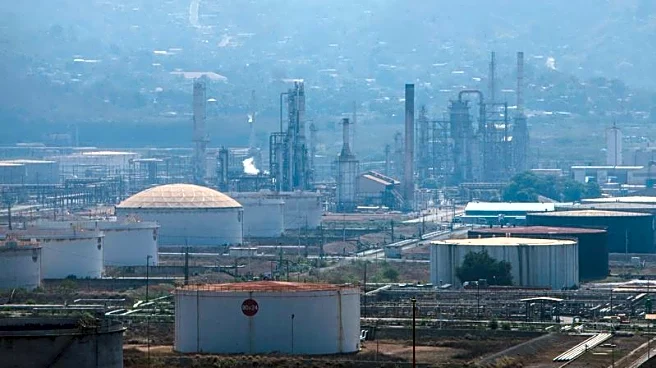
The capture of President Maduro by U.S. forces marks a significant escalation in U.S.-Venezuela relations, potentially impacting geopolitical dynamics in the region. This operation underscores the U.S. commitment to countering regimes it views as hostile or destabilizing. For the U.S., this move could strengthen its position in Latin America, but it also risks provoking international criticism or retaliation from allies of Venezuela. The operation may influence U.S. domestic politics, as it aligns with President Trump's assertive foreign policy stance. Economically, the capture could affect global oil markets, given Venezuela's significant oil reserves. The operation also highlights the capabilities and strategic importance of Delta Force in executing high-stakes missions.
What's Next?
Following the capture, the U.S. may face diplomatic challenges, particularly with countries that support Maduro. There could be calls for international mediation or intervention to address the situation. Domestically, the U.S. government will need to manage the legal and political implications of holding a foreign head of state. The operation may lead to increased scrutiny of U.S. military actions abroad and discussions about the role of special operations forces. Additionally, Venezuela's political future remains uncertain, with potential for internal unrest or power struggles as the country grapples with the absence of its leader.
Beyond the Headlines
The operation raises ethical and legal questions about the use of military force in foreign territories and the implications of capturing a sitting head of state. It may set a precedent for future U.S. military interventions and influence international norms regarding sovereignty and intervention. The situation also highlights the ongoing challenges of addressing authoritarian regimes and the complexities of international law in such contexts. Long-term, this event could shift regional alliances and impact U.S. relations with other Latin American countries.