






What's Happening?
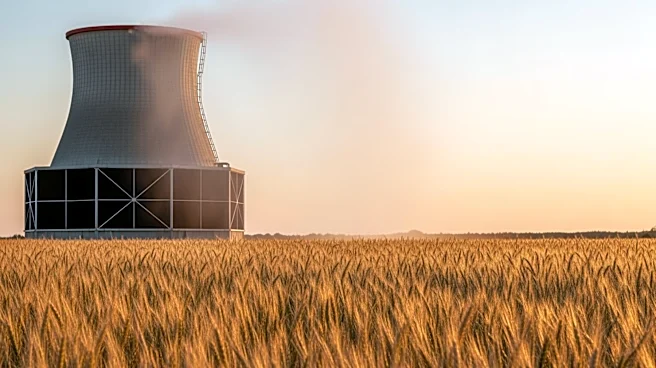
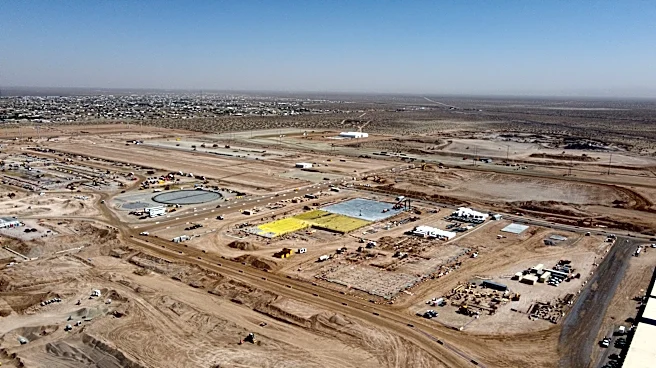
In Texas, the expansion of artificial intelligence data centers is raising concerns among farmers and ranchers about the potential impact on local water supplies. Data centers, which require significant amounts of water for cooling, are being developed
in rural areas where groundwater resources are already limited. A typical data center may use up to 300,000 gallons of water daily, while larger facilities can consume as much as 5 million gallons per day. This increased demand poses a threat to agricultural water access, particularly in regions where water is already scarce.
Why It's Important?
The competition for water resources between data centers and agriculture highlights the need for careful water management and policy decisions. As data centers continue to expand, they could exacerbate water scarcity issues in rural areas, potentially impacting agricultural productivity and local economies. The situation underscores the importance of sustainable water use practices and the need for regulatory frameworks that balance industrial growth with the preservation of essential agricultural resources. The adoption of closed-loop cooling systems by data centers could mitigate some of these concerns by reducing water consumption.
What's Next?
Local communities and policymakers will need to engage in discussions about water allocation and management to ensure that the expansion of data centers does not compromise agricultural water access. Implementing stricter permitting and disclosure requirements for water use by data centers could help protect local water resources. Additionally, farmers and ranchers may need to advocate for policies that prioritize agricultural water needs and explore alternative water-saving technologies to adapt to the changing landscape.