




What's Happening?
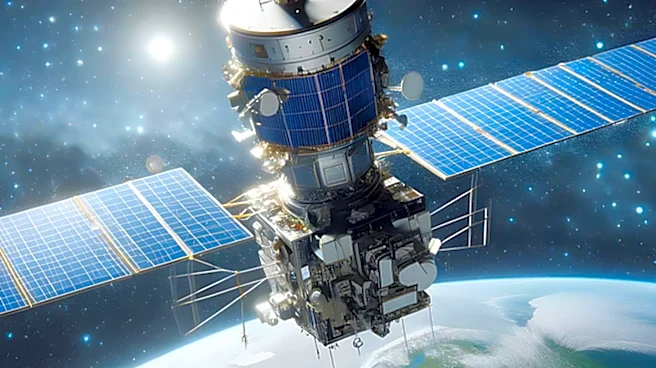
The North American Aerospace Defense Command (NORAD), a joint U.S.-Canada defense partnership, is undergoing significant modernization efforts despite a marked deterioration in bilateral relations between the two countries over the past two years. NORAD is actively
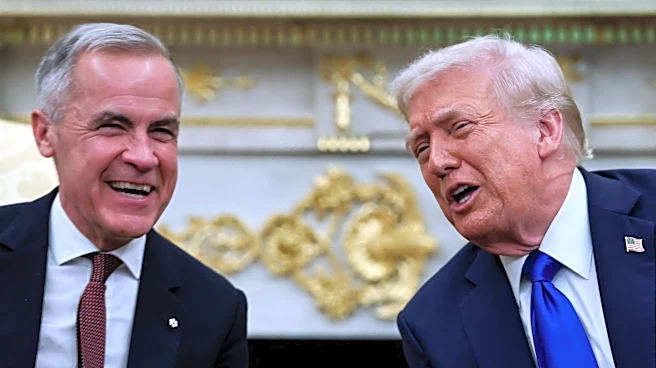
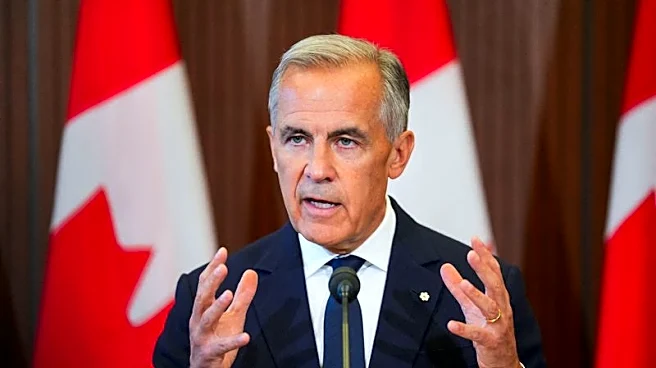
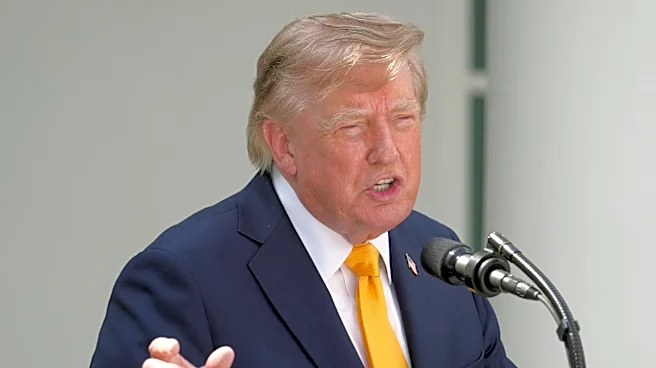
upgrading its technical infrastructure to integrate advanced data fusion and alert systems, similar to the Maven Smart System, to enhance missile defense and aerospace control. Both the U.S. and Canada are increasing funding for NORAD modernization, with the U.S. Air Force requesting over $341.4 million for FY27 for NORAD-specific projects and related funding lines. Canada, under Prime Minister Mark Carney, has also committed to a $32 billion defense infrastructure upgrade plan for its Arctic and Northern region, to be integrated into NORAD modernization. However, geopolitical tensions, including a U.S.-Canada trade war and public statements from President Trump suggesting tariffs on Canada, have created a precarious environment for the partnership.
Why It's Important?
The ongoing modernization of NORAD is crucial for North American security, particularly in an era of evolving threats such as cruise missiles and uncrewed drones. The integration of advanced technologies, including AI-driven dashboards for analysts, aims to significantly reduce analytic workloads, accelerate operational planning, and improve decision superiority for homeland defense. This technological advancement is vital for maintaining a robust defense against aerial threats. However, the deteriorating U.S.-Canada bilateral relationship poses a significant risk to the long-term health and longevity of this critical defense partnership. A fracturing of the alliance could lead to substantial disruptions in relevant supply chains and potentially force both nations to increase national aerospace defense spending independently to fill surveillance gaps, leading to inefficiencies and duplication of efforts. The current situation highlights the complex interplay between geopolitical dynamics and defense cooperation.
What's Next?
The future of NORAD will likely be shaped by the ongoing tension between its technological modernization and the strained U.S.-Canada bilateral relationship. While investments in infrastructure and AI capabilities are set to continue, the political climate could influence the effectiveness and cohesion of the partnership. Both countries will need to balance their individual national interests with the collective security benefits of NORAD. The U.S. Department of Defense's pause in participation on the U.S.-Canada Permanent Joint Board on Defense signals a need for Canada to demonstrate credible progress on its defense commitments. The outcome of the ongoing U.S.-Canada trade war and future political rhetoric will be critical in determining whether the alliance can overcome its current challenges and fully realize the benefits of its modernization efforts.
Beyond the Headlines
The situation with NORAD underscores a deeper trend where technological advancements in defense are proceeding rapidly, often independently of, or in tension with, geopolitical shifts. The push for AI-driven defense systems and integrated data fusion highlights a paradigm shift in military strategy, emphasizing speed, data analysis, and autonomous capabilities. However, the effectiveness of these advanced systems ultimately relies on strong international cooperation and trust, which are currently being tested between the U.S. and Canada. This scenario raises questions about the resilience of long-standing alliances in the face of nationalistic policies and economic disputes. It also prompts consideration of how defense partnerships can adapt to a future where technological superiority is paramount, but political will and diplomatic stability remain essential for effective implementation and shared security.