



What's Happening?
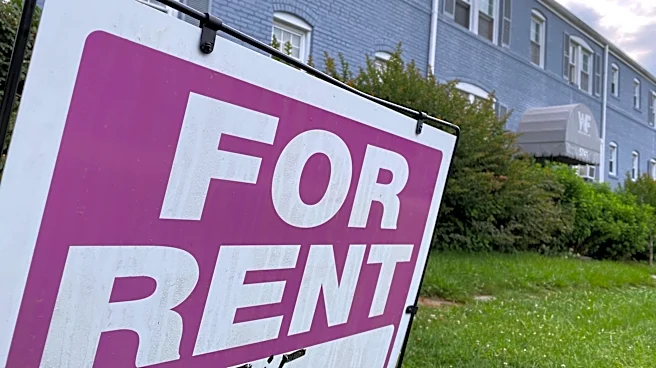
A study by the New York Fed reveals a significant decline in renters' expected mobility and homeownership aspirations in the U.S. over the past decade. The mean probability of renters moving within three years has dropped from 57% in 2014 to 37% in 2026.
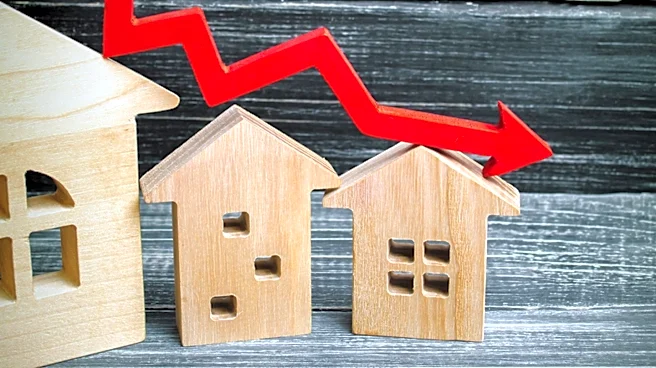
Similarly, the likelihood of renters ever owning a home has decreased from 52% in 2015 to 35% in 2025. Factors contributing to this trend include perceived unaffordability of mortgages and higher expected mortgage rates, which have risen from 3.3% in 2021 to nearly 6.8% by 2024.
Why It's Important?
This trend has significant implications for the U.S. housing market and economy. Reduced mobility can limit renters' access to job opportunities and better housing, potentially affecting economic growth and social mobility. The decline in homeownership expectations may also impact the real estate market, as fewer renters transition to homeownership. This could lead to increased demand for rental properties and influence housing policies and affordability initiatives.
What's Next?
Policymakers and housing authorities may need to address the affordability challenges faced by renters to encourage mobility and homeownership. This could involve revisiting mortgage lending practices, interest rates, and housing supply strategies. The ongoing monitoring of renters' mobility and homeownership trends will be crucial in shaping future housing policies and economic strategies.