
What's Happening?
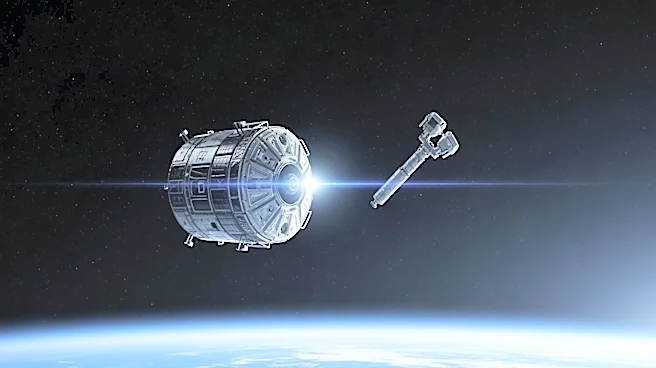
NASA is addressing the challenges posed by atomic oxygen in low Earth orbit, which affects spacecraft materials. Atomic oxygen, a highly reactive form of oxygen, is prevalent in the thin atmosphere at altitudes
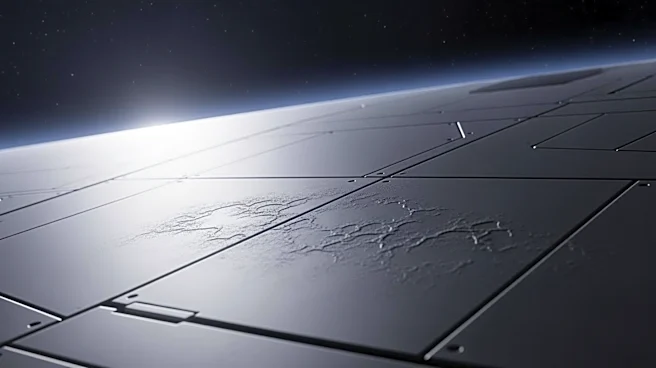
where the International Space Station (ISS) operates. This environment, above the ozone layer, allows UV light to split O2 molecules into single oxygen atoms, which can degrade materials on spacecraft. Engineers have observed that materials facing the direction of travel suffer more damage. NASA has been testing various materials by exposing them to atomic oxygen to understand and mitigate its effects. Carbon-based polymers and composites are particularly vulnerable, leading to erosion and mass loss. To counteract this, materials are often over-designed or coated with less reactive substances like silicon dioxide or aluminum oxide.
Why It's Important?
The impact of atomic oxygen is significant for the longevity and safety of spacecraft. As space missions become longer and more complex, understanding and mitigating material degradation is crucial. The ISS, which relies on durable materials for its extended mission, exemplifies the need for robust solutions. The findings from NASA's research are vital for future missions, including those to the Moon and Mars, where similar challenges may arise. The ability to protect spacecraft from atomic oxygen can lead to cost savings and increased mission success rates by reducing the need for frequent repairs or replacements. This research also contributes to the broader field of materials science, offering insights that could benefit other industries dealing with harsh environments.
What's Next?
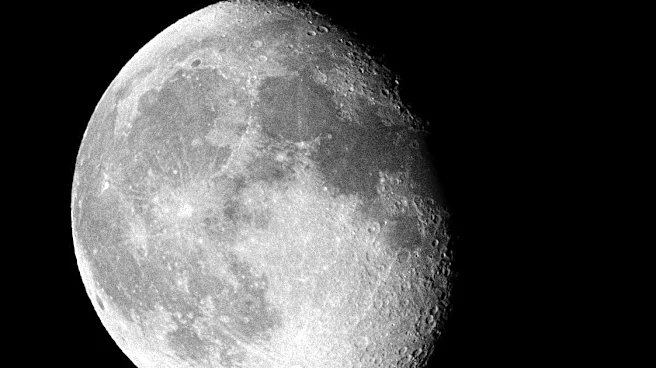
NASA will continue to test and develop materials that can withstand atomic oxygen exposure. Future spacecraft designs will likely incorporate these findings to enhance durability. As space exploration expands, particularly with plans for lunar and Martian missions, the need for materials that can endure harsh conditions will grow. Collaboration with materials scientists and engineers will be essential to innovate and apply these protective technologies. Additionally, ongoing monitoring of the ISS and other satellites will provide real-time data to refine these strategies.
Beyond the Headlines
The challenges posed by atomic oxygen highlight the broader issue of space weather and its impact on technology. As humanity ventures further into space, understanding these environmental factors becomes increasingly important. The research into atomic oxygen not only aids space exploration but also advances our knowledge of atmospheric science and material resilience. This work underscores the interconnectedness of space and Earth-based technologies, as innovations in one area can lead to advancements in another.