

What's Happening?
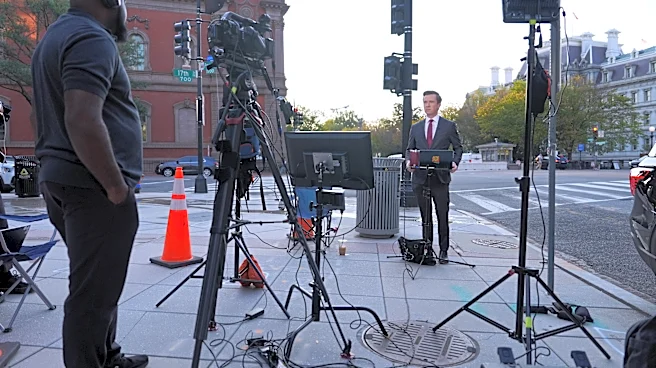
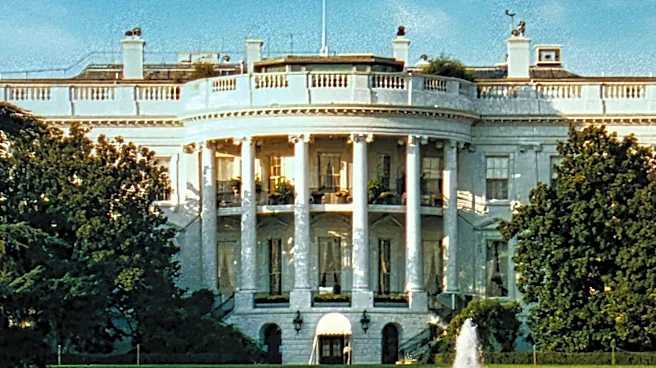
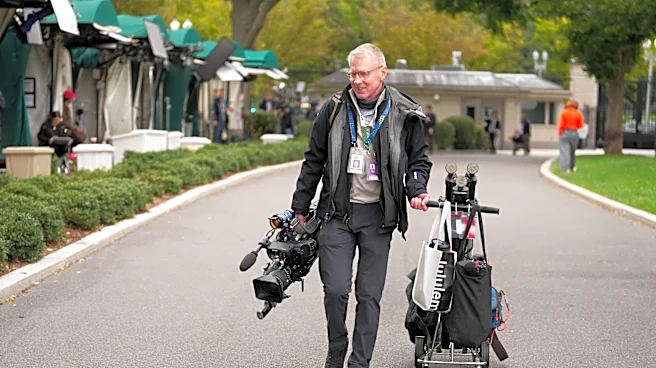
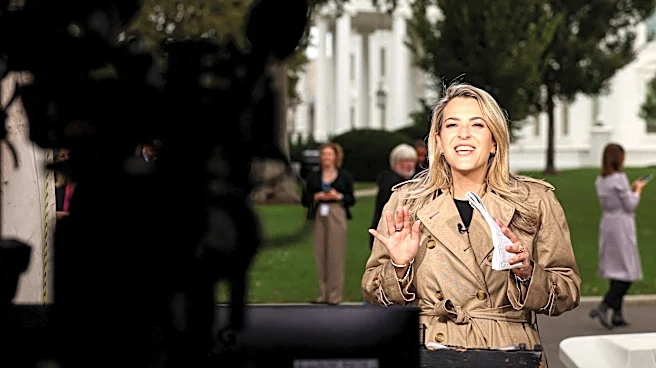
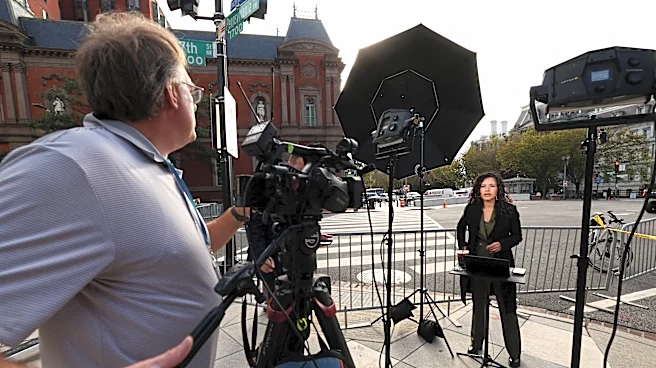
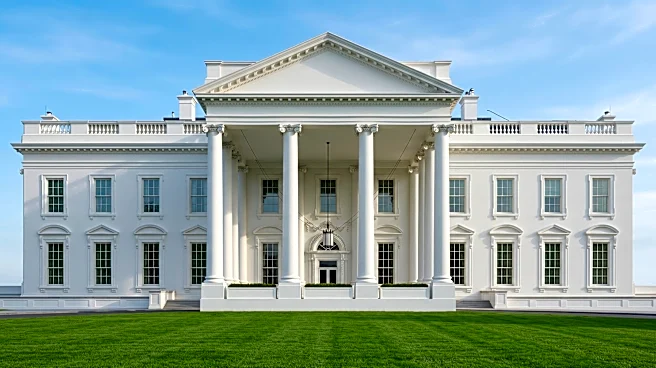
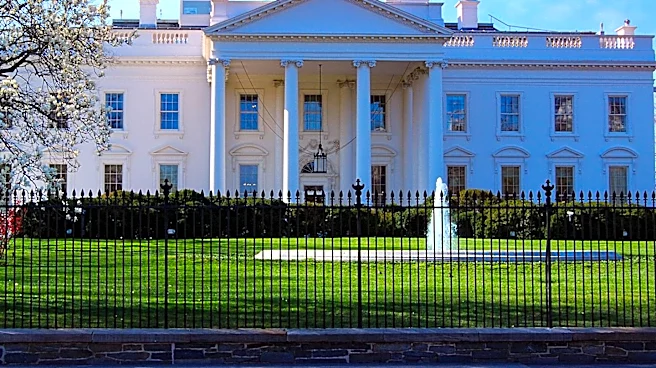
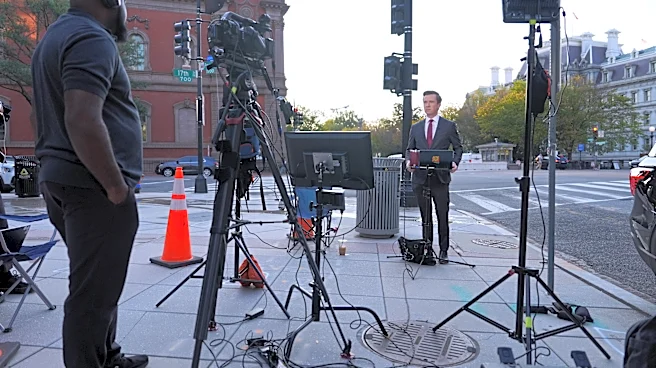
The Trump administration is currently facing scrutiny over its stance on denying White House access to journalists from MS NOW, CNN, and Politico. This issue has led to a court hearing to determine the legality and implications of such actions. The administration's
argument is that it can deny access, raising concerns about press freedom and the public's right to information. Lisa Rubin is expected to provide insights into the potential outcomes of this court hearing. This development follows a pattern of strained relations between the Trump administration and certain media outlets, highlighting ongoing tensions regarding media coverage and access to official government proceedings and personnel.
Why It's Important?
The ongoing legal challenge regarding White House press access is critically important for the principles of a free press and democratic governance in the U.S. Denying access to journalists from specific outlets, such as MS NOW, CNN, and Politico, raises serious questions about transparency and the ability of the media to hold power accountable. This situation could set a precedent for future administrations, potentially allowing for selective access that favors certain narratives and marginalizes critical reporting. For the public, restricted press access means a narrower range of information and perspectives on government actions, which can hinder informed decision-making. For media organizations, it represents a direct challenge to their operational capabilities and their role as watchdogs. The outcome of this court hearing will significantly impact the relationship between the executive branch and the press, influencing the landscape of political journalism and public discourse for years to come.
What's Next?
Following the court hearing, several outcomes are possible. The court could rule in favor of the Trump administration, potentially legitimizing the practice of denying White House access to certain journalists. This would likely lead to increased legal challenges from media organizations and press freedom advocates, escalating the conflict between the government and the press. Conversely, a ruling in favor of the media outlets could compel the administration to restore access, reinforcing the importance of a free and open press. Regardless of the immediate legal decision, the issue is likely to remain a contentious point in political discourse, with ongoing debates about the role of media, government transparency, and the boundaries of executive power. Major stakeholders, including political leaders, media organizations, and civil society groups, will closely monitor the situation, potentially influencing future legislation or policy changes related to press credentials and access.
Beyond the Headlines
The dispute over White House press access delves into deeper implications concerning the erosion of democratic norms and the weaponization of information. Beyond the legal arguments, the act of denying access can be seen as an attempt to control narratives and delegitimize critical reporting, fostering an environment of distrust between the public and the media. This can have long-term cultural consequences, potentially leading to a more polarized information landscape where citizens primarily consume news that confirms their existing biases. Ethically, it challenges the fundamental right of the public to be fully informed about the actions of their government. The situation also highlights the evolving nature of journalism in the digital age, where traditional gatekeepers are increasingly challenged by direct communication channels from political figures. The outcome of this conflict could therefore shape not only the future of press freedom but also the very fabric of public discourse and democratic accountability in the U.S.