








What's Happening?
A federal judge has blocked the Trump administration's initiative to allow states to prohibit Supplemental Nutrition Assistance Program (SNAP) recipients from using their benefits to purchase soda and candy. The ruling, issued by Judge Amy Berman Jackson,
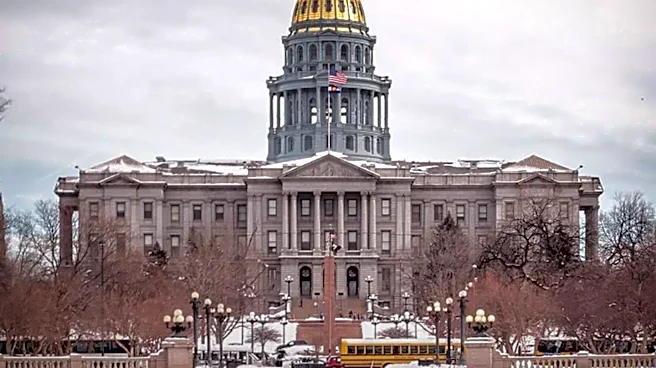
determined that the U.S. Department of Agriculture (USDA) exceeded its authority by approving state waivers for such bans. The decision affects five states—Colorado, Iowa, Nebraska, Tennessee, and West Virginia—where SNAP recipients had sued, arguing that the bans would destabilize food access and complicate health management for those with chronic illnesses. The USDA had previously approved these restrictions as part of a broader 'Make America Healthy Again' campaign, aimed at reducing the purchase of unhealthy foods with taxpayer funds.
Why It's Important?
This ruling is significant as it challenges the USDA's authority to modify SNAP regulations without congressional approval. The decision could impact similar bans in 18 other states that have received USDA approval but have not yet implemented the restrictions. The case highlights the tension between federal oversight and state-level experimentation in public assistance programs. It also underscores the ongoing debate over the role of government in regulating dietary choices for low-income individuals. The ruling may serve as a precedent for future legal challenges against similar state-level initiatives, potentially affecting millions of SNAP recipients nationwide.
What's Next?
The USDA has expressed its intention to continue advocating for the 'Make America Healthy Again' initiative, despite the legal setback. The agency may seek alternative strategies to promote healthier food choices within SNAP. Meanwhile, advocacy groups like the Food Research & Action Center (FRAC) are likely to use this ruling as a basis for challenging similar restrictions in other states. The decision may prompt further legal scrutiny of state-level SNAP modifications, potentially leading to more lawsuits and judicial reviews. Stakeholders, including state governments and anti-hunger organizations, will be closely monitoring the situation to assess its implications for SNAP policy and administration.