



What's Happening?
The U.S. Department of the Interior has released a new plan to manage the Colorado River, addressing the ongoing drought and water allocation issues among the seven states that rely on the river. The plan spares Colorado, Utah, New Mexico, and Wyoming
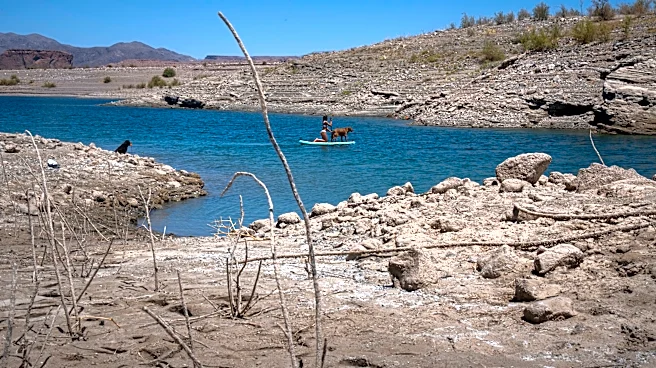
from immediate cuts, while Arizona, California, and Nevada face reductions. This temporary measure aims to provide flexibility and predictability, with water management decisions to be revisited every two years. The plan includes potential cuts of up to 3 million acre-feet for the Lower Basin states through 2036, impacting water supply for millions of people.
Why It's Important?
The Colorado River is a critical water source for 40 million people, agriculture, and industries across the Western U.S. The new management plan highlights the challenges of balancing water needs amid declining river flows and prolonged drought conditions. The temporary nature of the plan underscores the urgency for a long-term solution to ensure sustainable water use. The decisions made under this plan will have significant implications for water rights, agricultural production, and urban water supply, affecting economic stability and environmental health in the region.
What's Next?
The plan's implementation will involve ongoing negotiations among the states to develop a more permanent management strategy. Stakeholders, including state governments, water agencies, and environmental groups, will need to collaborate to address the complex issues of water allocation and conservation. The potential for legal challenges and the need for adaptive management strategies will be critical as the states work towards a consensus. Monitoring and responding to hydrological changes will be essential to ensure the plan's effectiveness and sustainability.