





What's Happening?
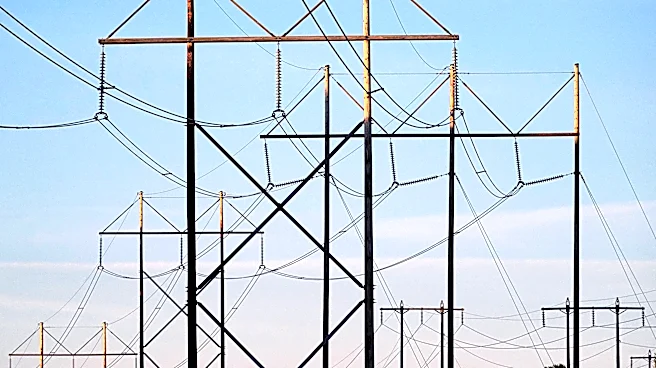
The Trump administration has renewed its order to keep the J.H. Campbell coal-fired power plant in West Michigan operational. This decision comes despite plans by Consumers Energy to shut down the plant last year. President Trump initially declared a national
energy emergency, leading to Energy Secretary Chris Wright issuing a 90-day order to keep the plant open. This order has been renewed multiple times, with the latest set to expire on August 16. The administration argues that the energy demands of new AI data centers, coupled with the closure of coal plants nationwide, justify the emergency declaration. However, the state of Michigan and environmental groups have filed lawsuits to block the administration's use of emergency powers, arguing that the plant's continued operation imposes unnecessary costs on residents.
Why It's Important?
The decision to keep the J.H. Campbell plant open highlights the ongoing debate over energy policy and the transition from coal to renewable energy sources. The Trump administration's stance underscores a focus on maintaining energy reliability, particularly in light of increasing demands from AI data centers. However, this approach has faced criticism for potentially delaying the shift to cleaner energy and imposing financial burdens on consumers. Michigan's Attorney General argues that closing the plant could save consumers nearly $600 million, emphasizing the economic implications of energy policy decisions. The legal challenges also reflect broader tensions between federal and state authorities over energy regulation.
What's Next?
A federal appeals court recently heard arguments in the case against the Trump administration's emergency powers. The outcome of this legal battle could set a precedent for how energy emergencies are defined and managed in the future. If the court sides with Michigan and environmental groups, it could accelerate the closure of coal plants and bolster efforts to transition to renewable energy. Conversely, a ruling in favor of the administration might reinforce federal authority in energy policy decisions, potentially impacting future regulatory actions.