




What's Happening?
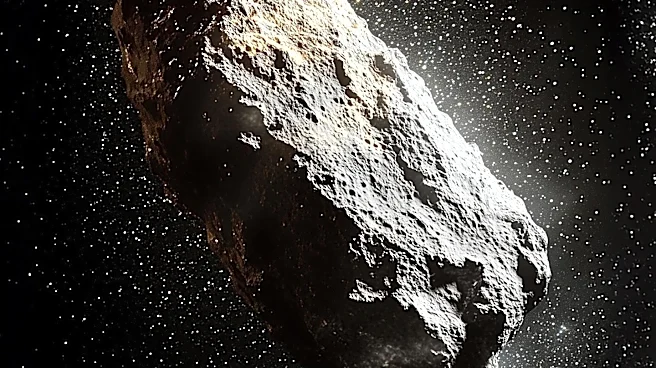
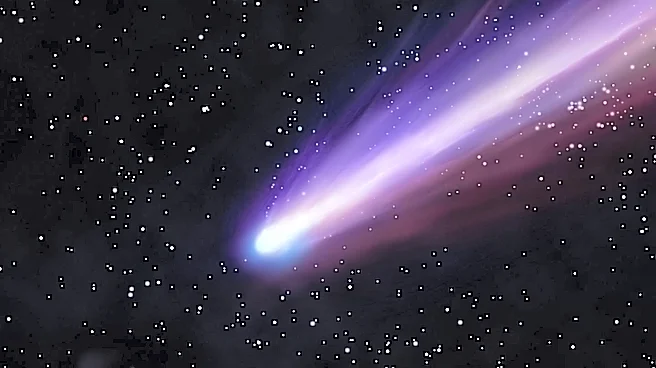
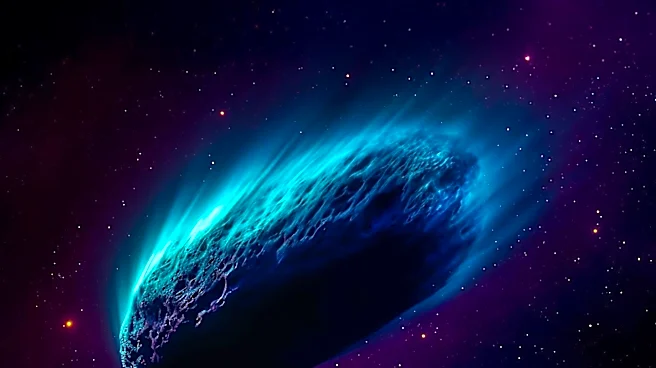
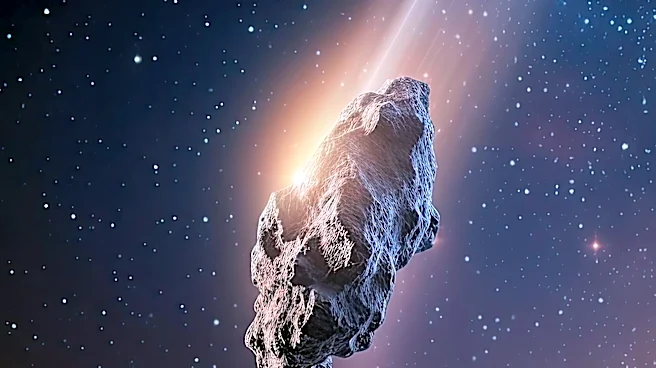
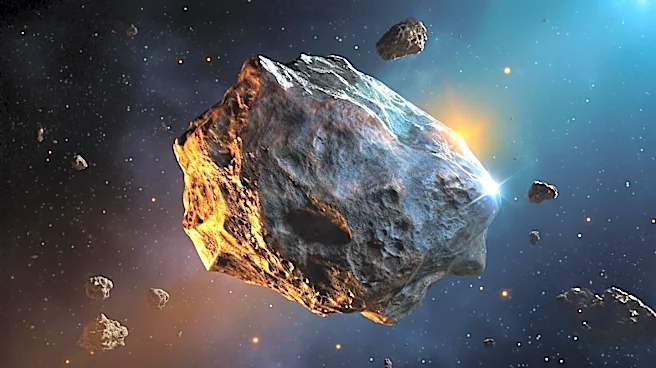
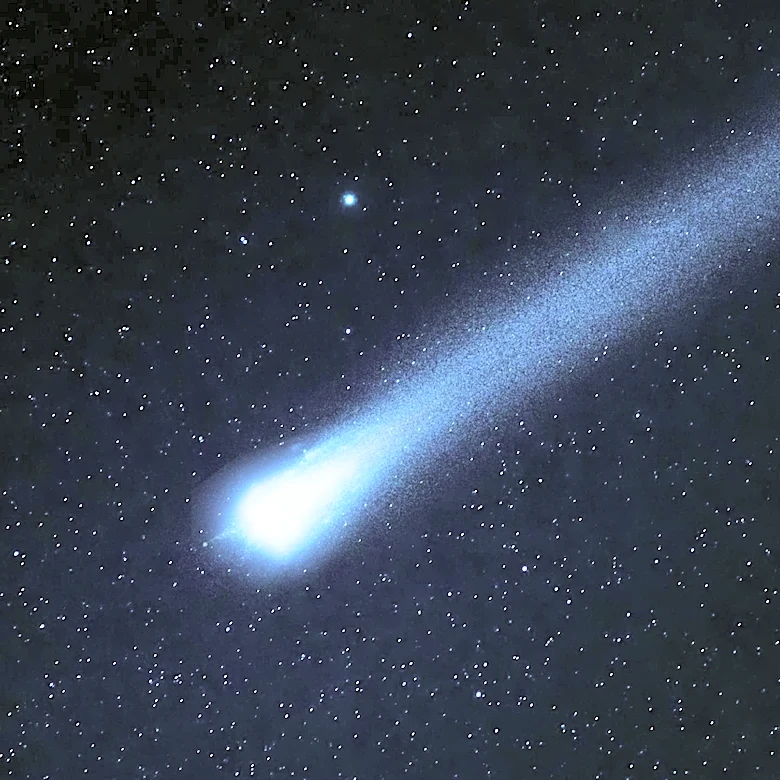
A near-Earth object, 1998 SH2, previously classified as an asteroid, has been reclassified as a 'dark comet' after it was found to deviate from its predicted path due to outgassing. This discovery, confirmed by a study in Nature Astronomy, highlights
the limitations of gravity-only impact risk models. The object, now designated P/1998 SH2, exhibited non-gravitational acceleration, a characteristic of comets, which was detected using powerful telescopes. This reclassification has significant implications for planetary defense strategies.
Why It's Important?
The reclassification of 1998 SH2 as a dark comet reveals a potential blind spot in current planetary defense models, which rely on gravitational predictions. This discovery suggests that other near-Earth objects may also be misclassified, posing unrecognized risks. The ability to accurately identify and track such objects is crucial for assessing impact probabilities and ensuring Earth's safety. The findings underscore the need for enhanced observational capabilities and the integration of non-gravitational factors in orbital models.
What's Next?
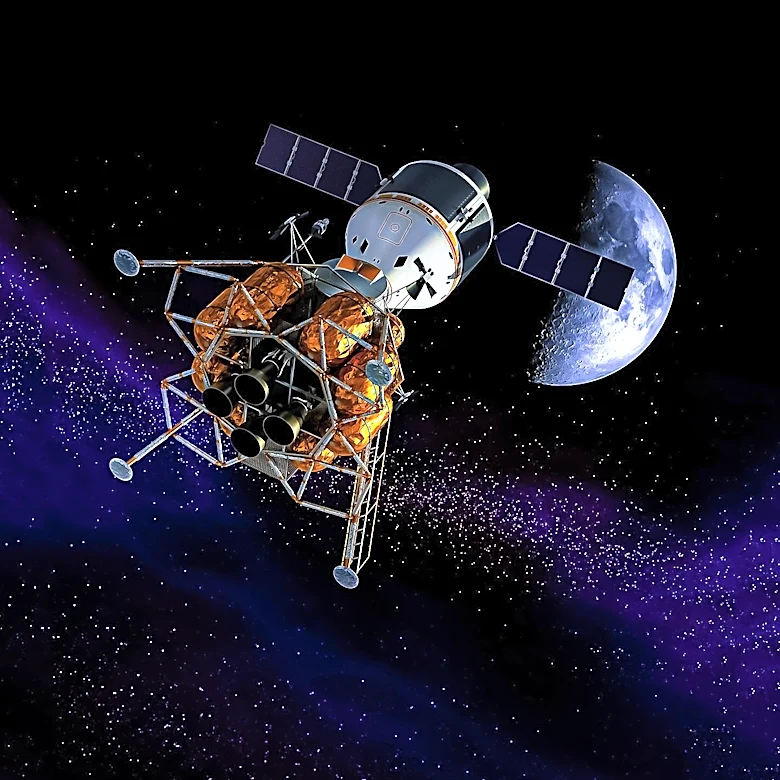
NASA's upcoming NEO Surveyor mission, designed to detect thermal emissions from objects, will play a key role in identifying dark comets and improving impact risk assessments. The mission aims to address the challenges posed by low-albedo objects that are difficult to detect with optical telescopes. Researchers will continue to analyze existing data to identify other potential dark comets, refining planetary defense strategies and improving our understanding of near-Earth objects.